Homily For The 29th (Mission) Sunday Of Ordinary Time, Year C

Missionaries of Hope: United with Christ in Unceasing Prayer

Readings: 1st: Exodus 17:8-13; Ps: 120; 2nd: 2 Tim 3:14-4, 2; Gos: Lk 18:1-8

This brief reflection was written by Fr. Njoku Canice Chukwuemeka, C.S.Sp., DMin, a Catholic Priest and a member of the Congregation of the Holy Spirit (Spiritans). He is a missionary in Puerto Rico. He is Director of Santuario del Espiritu Santo, Dorado, and the Major Superior of the Congregation of the Holy Spirit (Spiritans), Circumscription of Puerto Rico and the Dominican Republic. Fr. Canice is a member of the Academy of Homiletics. For more details and comments, contact him atcanice_c_njoku@yahoo.com, canicechukwuemeka@gmail.com.

Find other books @: https://www.smashwords.com/books/view/893122

(Donate @ATH Móvil: Canice Njoku-7873146309)

(https://orcid.org/0000-0002-8452-8392

“How can they believe if they have not heard the message? How can they hear if the message is not proclaimed? How can the message be proclaimed if the messengers are not sent out? How wonderful are the feet of the preachers of the good news!” (Ro 10:14ff).

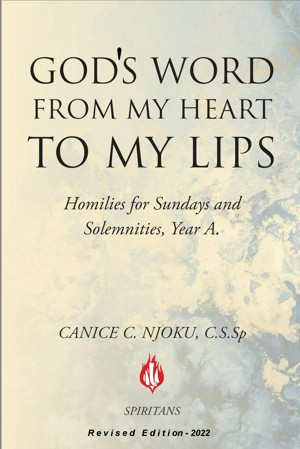
https://ppeditoresebooks.com/products/homilies-c-god-s-word-from-my-heart-to-my-lips-ebook?_pos=3&_sid=de180b38d&_ss=r

Today, the twenty-ninth Sunday in Ordinary Time, we celebrate the 99th World Mission Day. For this reason, the mission “ad gentes“ continues to be the most urgent. All the members of the Church are called to participate in this mission. Today is a privileged moment to engage in prayer and concrete gestures of solidarity to support God’s mission.

It is worth noting that this Sunday’s mission is particularly special. This is because we are celebrating it during a Jubilee year of hope, and although we have a new Pope, Leo XIV, the papal message for this year’s Mission Sunday (“Missionaries of Hope Among all Peoples”) is from our former Pope, Francisco. This was permitted by Pope Leo XIV.

Today’s celebration is a celebration of grace because the Holy Spirit, sent by the Father, offers wisdom and strength to those who are obedient to his actions. It is a celebration of joy because Jesus Christ, the Son of the Father, who was sent to evangelize the world, supports and accompanies our missionary efforts.

It is also a celebration of hope. This is why the Holy Father chose “Missionaries of Hope Among all Peoples” as a motto for this 99th World Mission Sunday, because “It reminds individual Christians and the entire Church, the community of the baptized, of our fundamental vocation to be, in the footsteps of Christ, messengers and builders of hope. I trust that it will be for everyone a time of grace with the faithful God who has given us new birth in the risen Christ “to a living hope (cf. 1 Pet 1:3-4).”

In today’s first reading, God demonstrated to the Israelites that he was the one in charge of their lives, history, and circumstances. Of course, their success depended totally on Him. Moses, the great prophet and intercessor, did what he knew best, unceasing intercession for his people. Through his action and intercession, he gave credence to this famous saying, “Prayer is the master key to success.”

As long as Moses lifted his hands to God in prayers, the Israelite’s soldiers were victorious in battle. This reading reminds us that our victory in life depends much on God. It also reminds us that the solution to our daily struggles and quest has both a spiritual and physical dimension.

Hence, if we neglect God in our daily struggles while trusting only in our own strength, we may not succeed. So, we must be steadfast in prayer. Also, we must do what we have to do. In other words, prayer and action. We must constantly abide in God’s presence with our minds and hearts lifted to him in prayers in all life circumstances. Like Moses and the psalmist, if we continuously lift our hands and eyes to God in prayer, “Our help will come from the Lord, who made heaven and earth” (Psalm 121:2). This is because He never fails.

In today’s second reading, Paul reminds us of the importance of the scriptures in our Christian journey of faith. It is a missionary journey that must continuously inspire hope in all of us missionaries and those to whom we are called to preach the gospel.

As an inspired Word of God, the scriptures must be the guiding principles of our daily life and action, and of course, our prayer life. Hence, if we are to remain faithful to God through continuous prayer, we must also learn to meditate on His Word.

In light of today’s general theme, Lectio Divina (the prayerful and meditative reading of the Word of God) becomes very important. We must pray with His Word and let it illuminate our minds. This is because, through constant and prayerful study of the inspired Word of God, we find the much-needed faith to preserve in prayer in the presence of God.

In today’s gospel, Jesus further underscores the importance of continuous prayer. Luke writes, “He told his disciples a parable about the need to pray continually without fainting.” Through His parable, Jesus teaches us to be consistent and perseverant in prayer at all times. Of course, as a man of prayer himself, he knew how important prayer was for his disciples.  It will be the key to their success in their mission.

The same goes for all of us Christians. If we must have any success in our respective vocation and missions, we must make prayer the foundation of our Christian life. It is an indispensable tool that every Christian needs for success. The prayer in question here is that which never gives up and that which draws strength from the word of God.

One-Time
Monthly
Yearly

Please make a donation to sustain this blog

Make a monthly donation

Make a yearly donation

Choose an amount

$5.00
$15.00
$100.00
$5.00
$15.00
$100.00
$5.00
$15.00
$100.00

Or enter a custom amount

$

Your contribution is appreciated.

Your contribution is appreciated.

Your contribution is appreciated.

DonateDonate monthlyDonate yearly

Finally, we must never be tired of praying because God is never tired of listening to us. He might take time to open the door like the judge in today’s parable. However, if we do not quit, He will surely hear and answer us.

Happy Mission Sunday to you all!

Peace be with you all!

Maranatha!

Homilía del Vigésimo Noveno Domingo del (Domund) Tiempo Ordinario, Año C

Misioneros de la Esperanza: Unidos con Cristo en oracion sin cesar
Lecturas: 1ra: Ex 17:8-13; Sal: 120; 2da: 2 Tim 3:14-4:2; Ev: Lc 18:1-8

Esta breve reflexión fue escrita por el Padre Canice Chukwuemeka Njoku, C.S.Sp., DMin., un sacerdote católico y miembro de la Congregación del Espíritu Santo (Espirítanos). Es un misionero en Puerto Rico. Es director del Santuario del Espíritu Santo, Dorado y el Superior Mayor de la Congregación del Espíritu Santo (Espirítanos), Circunscripción de Puerto Rico y República Dominicana. El Padre Canice es miembro de la academia de homilética (The Academy of Homiletics). Para más detalles y comentarios se puede contactarlo al: canice_c_njoku@yahoo.com, canicechukwuemeka@gmail.com.

Encuentra otros libros en: https://www.smashwords.com/books/view/904854

(Donar @ATH Móvil: Canice Njoku – 7873146309)

(https://orcid.org/0000-0002-8452-8392)

¿Cómo podrán creer si no han oído hablar de él? ¿Y cómo oirán si no hay quien lo proclame? ¿Y cómo lo proclamarán si no son enviados? Como dice la escritura: “Que hermosa son los pies de los que traen buenas noticias.” (Ro 10:14-15).

https://ppeditoresebooks.com/products/homilias-c-palabra-de-dios-ebook?_pos=8&_sid=1ef404b62&_ss=r

Hoy, el vigésimo noveno domingo del tiempo, celebramos la 99.ª Jornada Mundial de las Misiones. En nuestro mundo, hay muchas personas que todavía no han conocido a Cristo. Por esta razón, la misión Ad-gentes sigue siendo urgente. Todos los miembros de la Iglesia están llamados a participar en esta misión. Hoy es un momento privilegiado para participar en oración y gestos concretos de solidaridad para apoyar la misión de Dios.

Cabe destacar que la misión de este domingo es particularmente especial. Esto se debe a que la celebramos durante un año jubilar de esperanza, y aunque tenemos un nuevo Papa, León XIV, el mensaje papal para el Domingo de las Misiones de este año (“Misioneros de la Esperanza entre todos los Pueblos”) es de nuestro Papa, Francisco. Esto fue permitido por el Papa León XIV.

La celebración de hoy es una celebración de la gracia porque el Espíritu Santo ofrece sabiduría y fuerza a los que son obedientes a su acción. Es una celebración de gozo porque Jesucristo, el Hijo del Padre, apoya y acompaña nuestro esfuerzo misionero.

También es una celebración de esperanza. Por eso, el Santo Padre eligió «Misioneros de la Esperanza entre todos los Pueblos» como lema para esta 99.ª Jornada Mundial de las Misiones porque «recuerda a cada cristiano y a la Iglesia, comunidad de bautizados, la vocación fundamental a ser mensajeros y constructores de la esperanza, siguiendo las huellas de Cristo. Les deseo a todos que vivan un tiempo de gracia con el Dios fiel que nos ha regenerado en Cristo resucitado – para una esperanza viva (cf. 1 P 1,3-4).»

En la primera lectura, Dios demostró a los israelitas que Él es responsable para su vida, historia y circunstancias. Por supuesto, su éxito dependía totalmente de Él. Moisés el gran profeta e intercesor hizo lo que sabía hacer mejor, interceder incesantemente por su pueblo. A través de su acción e intercesión, se dio credibilidad a este dicho popular que: “La oración es la clave para el éxito”.

Por lo tanto, mientras las manos de Moisés estaban levantadas a Dios en oración, los soldados israelitas eran victoriosos en batalla. Esta lectura nos recuerda que nuestra victoria en la vida depende de Dios. También, nos recuerda que la solución a nuestras batallas y luchas diarias tiene su dimensión física y espiritual.

Por lo tanto, si olvidamos a Dios en nuestras luchas diarias y confiamos sólo en el brazo de nuestra carne, no lograremos nada. Así que, debemos ser firme en la oración. Además, debemos hacer lo que tenemos que hacer. En otras palabras, rezar y actuar.

En todas las circunstancias de la vida, debemos estar constantemente en la presencia de Dios con nuestras mentes y corazones levantados a Él en oración. Como Moisés y el salmista, seguimos levantando nuestras manos y ojos a Dios en oración: “Nuestro auxilio vendrá del Señor, que hizo el cielo y la tierra” (Salmo 121:2). Esto es porque Él nunca falla.

En la segunda lectura, Pablo nos recuerda la importancia de las escrituras en nuestro camino cristiano de fe. Es un camino misionero que debe inspirar continuamente esperanza en todos nosotros, misioneros, y en aquellos a quienes estamos llamados a predicar el evangelio.

Como la palabra de Dios inspirada, las Escrituras deben ser los principios rectores de nuestra vida cotidiana y, por supuesto, nuestra vida de oración. Por lo tanto, debemos permanecer fieles a Dios en oración continua. También, debemos aprender a meditar en su palabra.

A la luz del tema general de hoy, lectio divina se convierte en algo bien importante. Debemos orar con la palabra de Dios y dejarla iluminar nuestras mentes. Esto es porque, a través del estudio constante y orante de la palabra inspirada de Dios, encontramos la fe, bien necesaria para preservar en la oración a la presencia de Dios.

En el Evangelio de hoy Jesús subraya la importancia de la oración continua. Lucas escribe: “Él dijo a sus discípulos una parábola sobre la necesidad de orar continuamente sin desmayar.” A través de su parábola, Jesús nos enseña a ser consistentes y perseverar en la oración en todo momento. Por supuesto, habiendo sido un hombre de oración, sabía la importancia de la oración para sus discípulos. Será la clave de su éxito en su misión.

Lo mismo va para todos nosotros los cristianos. Si realmente queremos tener éxito, debemos hacer de la oración el fundamento de nuestra vida cristiana. Es una herramienta indispensable que todo cristiano necesita para tener éxito. La oración en cuestión aquí es, que nunca se rinde, y que busca fuerza de la palabra de Dios.

One-Time
Monthly
Yearly

Por favor haga una donación para mantener este blog

Make a monthly donation

Make a yearly donation

Choose an amount

$5.00
$15.00
$100.00
$5.00
$15.00
$100.00
$5.00
$15.00
$100.00

Or enter a custom amount

$

Your contribution is appreciated.

Your contribution is appreciated.

Your contribution is appreciated.

DonateDonate monthlyDonate yearly

Por último, nunca debemos cansarnos de orar porque, Dios nunca está cansado de escucharnos. Él puede tomar tiempo para abrir la puerta como el juez en la parábola de hoy. Sin embargo, si no nos cansamos de orar, Dios no se cansará de escucharnos.

¡Feliz Domingo de las Misiones para todos ustedes!

¡La paz sea con ustedes!

¡Maranatha!

Homily For The 28th Sunday Of Ordinary Time, Year C

Gratitude to God for His Goodness

 Readings: 1st: I King 5:14-17; Ps: 97:1-4. 6-9; 2nd: 2 Tim 2: 8-13; Gos: Lk 17:11-19

This brief reflection was written by Fr. Njoku Canice Chukwuemeka, C.S.Sp., DMin, a Catholic Priest and a member of the Congregation of the Holy Spirit (Spiritans). He is a missionary in Puerto Rico. He is Director of Santuario del Espiritu Santo, Dorado, and the Major Superior of the Congregation of the Holy Spirit (Spiritans), Circumscription of Puerto Rico and the Dominican Republic. Fr. Canice is a member of the Academy of Homiletics. For more details and comments, contact him atcanice_c_njoku@yahoo.com, canicechukwuemeka@gmail.com.

Find other books @: https://www.smashwords.com/books/view/893122

(Donate @ATH Móvil: Canice Njoku-7873146309)

(https://orcid.org/0000-0002-8452-8392

Most times, we spend much time recounting our woes and disappointments to the extent that we hardly recognize or appreciate the Goodness of God in our lives. So, this Sunday, the church reminds us of the importance of showing gratitude to God. If we spend just a moment to reflect on our life, we shall find many reasons why we must always return to God with our hearts full of gratitude to Him.

https://ppeditoresebooks.com/products/homilies-c-god-s-word-from-my-heart-to-my-lips-ebook?_pos=3&_sid=de180b38d&_ss=r

In today’s first reading, the story of Naaman the leper is a typical example of how we should express our profound gratitude to God. Naaman also teaches us how to show appreciation to those who have been good to us. Also, we learn from this reading that God does not come to our help because of what he will receive from us. He says: “All the silver and gold in the whole world are mine” (Haggai 2:8-9).

However, He does not condemn material offerings to the Church in appreciation of His goodness to us. This is because “the Church is the visible sign of God on earth. So, our offerings of thanksgiving to the Church are offered to God to build up his visible body – His church.

In today’s gospel, Jesus reminds us of the importance of gratitude to God for favors we have received from Him. In this reading, what caught the admiration of Jesus about the Samaritan was  that he “Turned back, praising God at the top of his voice, and threw himself at the feet of Jesus and thanked him.” When was the last time we expressed this kind of gratitude to God? Gratitude to God is an expression of our faith in His saving power.

Many of us hardly have time to show gratitude to God for what he has done for us. Sometimes, even using the gifts we have received freely to serve him is hard for us. This is because we rationalize too much. Unfortunately, some of us offer to God as if we are investing in a lottery. In order words, “God has to do something for me because I have given something to Him.  Or, “I give to God because He gives to me!” 

Showing gratitude to God is very important in our Christian journey with him. However, we should not see it as a burden. The truth is that there is no amount of money or material thing that would be enough to pay God for his goodness to us. So, the decision to show gratitude to God must flow from our hearts and a pure conscience.

In light of this, we must approach the Sacrament of the Holy Eucharist every day. It is a sacrament of gratitude or thanksgiving to God. It is one whole sacrifice through which we, the Church, give thanks to God when we gather as one big and united family in his presence.

One-Time
Monthly
Yearly

Please make a donation to sustain this blog

Make a monthly donation

Make a yearly donation

Choose an amount

$5.00
$15.00
$100.00
$5.00
$15.00
$100.00
$5.00
$15.00
$100.00

Or enter a custom amount

$

Your contribution is appreciated.

Your contribution is appreciated.

Your contribution is appreciated.

DonateDonate monthlyDonate yearly

Finally, when we gather, we are there to say: “We give you thanks, Almighty God, for these and all your benefits to us, through Christ Our Lord.” It is not only about offering God material things or gifts alone. Instead, it is more about lifting our entire being to God in appreciation and gratitude for His love and goodness. It is more about offering ourselves totally and wholly again and again to God. This is the gratitude that flows from a sincere heart.

Peace be with you all!

Maranatha

Homilía del Vigésimo Octavo Domingo de Tiempo Ordinario, Año C

Gratitud a Dios por su Bondad 
Lecturas: 1ra: I Re 5:14-17; Sal: 97:1-4. 6-9; 2da: 2 Tim 2:8-13; Ev: Lc 17:11-19

Esta breve reflexión fue escrita por el Padre Canice Chukwuemeka Njoku, C.S.Sp., DMin., un sacerdote católico y miembro de la Congregación del Espíritu Santo (Espirítanos). Es un misionero en Puerto Rico. Es director del Santuario del Espíritu Santo, Dorado y el Superior Mayor de la Congregación del Espíritu Santo (Espirítanos), Circunscripción de Puerto Rico y República Dominicana. El Padre Canice es miembro de la academia de homilética (The Academy of Homiletics). Para más detalles y comentarios se puede contactarlo al: canice_c_njoku@yahoo.com, canicechukwuemeka@gmail.com.

Encuentra otros libros en: https://www.smashwords.com/books/view/904854

(Donar @ATH Móvil: Canice Njoku – 7873146309)

(https://orcid.org/0000-0002-8452-8392)

La mayoría de las veces gastamos mucho tiempo contando nuestras aflicciones y decepciones, pero apenas reconocemos o apreciamos la bondad de Dios en nuestras vidas. Por lo tanto, este domingo la Iglesia nos recuerda la importancia de mostrar gratitud a Dios. Si dedicamos un momento para reflexionar sobre el curso de nuestra vida, sin duda encontraremos muchas razones por las cuales debemos volver siempre a Dios con nuestro corazón lleno de gratitud.

https://ppeditoresebooks.com/products/homilias-c-palabra-de-dios-ebook?_pos=8&_sid=1ef404b62&_ss=r

En la primera lectura de hoy, la historia de Naamán el leproso, es un ejemplo típico de cómo debemos expresar nuestra profunda gratitud a Dios. Naamán también nos enseña a mostrar agradecimiento a quienes han sido buenos con nosotros. También, aprendemos de esta lectura que Dios no viene a nuestra ayuda por lo que recibirá de nosotros. Él dice: “Toda la plata y el oro en el mundo entero son míos” (Ageo 2, 8-9).

Sin embargo, Él no condena las ofrendas materiales a la iglesia en agradecimiento por su bondad para nosotros. Esto es porque: “La iglesia es el signo visible de Dios en la tierra.” Por lo tanto, nuestra ofrenda de gratitud a la iglesia se ofrece a Dios, para edificar su cuerpo visible – su iglesia.

En el Evangelio de hoy Jesús nos recuerda la importancia de la gratitud a Dios por los favores que hemos recibido de Él. En esta lectura, lo que llamó la admiración de Jesús sobre el samaritano era simplemente que el Samaritano: “Volvió, alabándole a Dios alzando su voz y se arrojó a los pies de Jesús y le dio las gracias.” ¿Cuándo fue la última vez que expresamos este tipo de gratitud a Dios? Gratitud a Dios es una expresión de nuestra fe en su poder salvador.

Muchos de nosotros apenas tenemos tiempo para agradecerle a Dios por lo que ha hecho para nosotros. A veces, usar los dones que hemos recibidos libremente para servirle a Dios es difícil para nosotros. Esto es porque racionalizamos mucho. Por desgracia, algunos de nosotros ofrecen a Dios como si estamos invirtiendo en una lotería. Es decir: ¡Dios, tiene que hacer algo para mí porque he dado algo a Él! O, doy a Dios, ¡porque Él me da!

Mostrar gratitud a Dios es muy importante en nuestro caminar cristiano con Él. Sin embargo, no debemos verlo como una carga. La verdad es que no hay ninguna cantidad de dinero o material que sería suficiente para pagar a Dios por su bondad a nosotros. Por lo tanto, la decisión de mostrar gratitud a Dios debe fluir de nuestros corazones y de una conciencia pura.

A la luz de esto, debemos acercarnos al Sacramento de la Eucaristía todos los días. Es un sacramento de gratitud o de acción de gracias a Dios. Es un sacrificio a través del cual nosotros (la iglesia), damos gracias a Dios cuando nos reunimos como una familia grande y unida en su presencia.

One-Time
Monthly
Yearly

Por favor haga una donación para mantener este blog

Make a monthly donation

Make a yearly donation

Choose an amount

$5.00
$15.00
$100.00
$5.00
$15.00
$100.00
$5.00
$15.00
$100.00

Or enter a custom amount

$

Your contribution is appreciated.

Your contribution is appreciated.

Your contribution is appreciated.

DonateDonate monthlyDonate yearly

Por último, cuando nos reunimos, decimos a Dios Padre: “Te damos gracias, Dios Todopoderoso, por estos y todos sus beneficios, por Cristo nuestro Señor.” No se trata sólo de ofrecer cosas materiales o dones a Dios. Por el contrario, también, se trata de levantar nuestro ser entero a Dios en su presencia en reconocimiento y gratitud por su amor y bondad para nosotros. Es más, es ofrecerse total y completamente cada vez y una vez más a Dios. Esta es la gratitud que emana de un corazón sincero.

¡La paz sea con ustedes!

¡Maranatha!

Homily For The 27th Sunday Of Ordinary Time, Year C

Living and Walking by the Faith that never Fails Us

 Readings: 1st: Hab 1:2-3. 2, 2-4; Ps: 94:1-9; 2nd: 2 Tim 1:6-8. 13-14; Gos: Lk 17: 5-19

This brief reflection was written by Fr. Njoku Canice Chukwuemeka, C.S.Sp., DMin, a Catholic Priest and a member of the Congregation of the Holy Spirit (Spiritans). He is a missionary in Puerto Rico. He is Director of Santuario del Espiritu Santo, Dorado, and the Major Superior of the Congregation of the Holy Spirit (Spiritans), Circumscription of Puerto Rico and the Dominican Republic. Fr. Canice is a member of the Academy of Homiletics. For more details and comments, contact him atcanice_c_njoku@yahoo.com, canicechukwuemeka@gmail.com.

Find other books @: https://www.smashwords.com/books/view/893122

(Donate @ATH Móvil: Canice Njoku-7873146309)

(https://orcid.org/0000-0002-8452-8392

On this 27th Sunday of ordinary time, the holy mother church invites us to reflect on one of the most important Christian and theological virtues – Faith. It is the foundation of our Christian life. Faith gives us a new vision and a new perspective on life.

https://ppeditoresebooks.com/products/homilies-c-god-s-word-from-my-heart-to-my-lips-ebook?_pos=3&_sid=de180b38d&_ss=r

Without faith, we see only the ugly and dark side of life. Without faith, we remain helpless and slaves to despair and hopelessness. Faith liberates us and helps us to see the power and love of God at work in our lives.

In the first reading of this Sunday, the church reminds us of this famous verse from the book of Habakkuk, “The just shall live by his faithfulness.” As human beings, at times in life, we find ourselves in the shoes of the prophet Habakkuk. We find ourselves helpless, and everything goes dark, and hope appears hopeless to us. It is part of the process of Christian growth and maturity.

The good news is that God will not fail us if we remain faithful during such moments. He will break his silence at his appropriate time to reassure us that he is there for us. Through these words, “The just shall live by his faithfulness, God encourages us to remain faithful in good deeds and actions. This faith in question is saving faith. The Just here is the one who still perseveres in good deeds. He is the one who still trusts in the saving power of God. He is the one who still prays to God.

In the second reading, Paul strikes the same note by admonishing us thus: “Fan into flame the gift that God gave you. Keep as your pattern the sound teaching you have heard from us, in the faith and love that are in Christ Jesus.” Here, the Apostle calls us to action. He awakens us to realize who we are. He reminds us of the power of God at work in us through the sound teachings we have received.

He encourages us to preserve the faith (the sound doctrine) we have received from God through the Holy Spirit and His apostles. Hence, this simply reminds us that our journey is a journey of faith. This faith must be constantly questioned and also called into action. We must live this faith through our steadfastness and perseverance. This faith must be demonstrated through actions because: “Faith without action is dead” (James 2:26).

So, the type of faith we are talking about here is not the type that is blind and always asleep. No, it is the faith that sees good opportunities and takes advantage of them. It is not like the faith that most of us preach today that suggests that we should go to sleep every second and expect God to assume our responsibilities and solve all our problems. On the contrary, it is faith that moves us into action.

In today’s gospel, the Apostles of Christ reminds us of what we should be praying for each day. That is, praying to Christ: “Lord increase our faith.” Their humility and acceptance of their lack equally remind us of the importance of faith in our Christian life and journey.

Each time I read this passage, I remember this short story. A rusty shield once said to the sun, “dazzle me,” and the sun responded: “Polish yourself, and I will dazzle you.” Our Lord Jesus Christ is always ready to increase our faith. However, we must humbly ask for it. Second, we must make the necessary efforts through our actions.

One-Time
Monthly
Yearly

Please make a donation to sustain this blog

Make a monthly donation

Make a yearly donation

Choose an amount

$5.00
$15.00
$100.00
$5.00
$15.00
$100.00
$5.00
$15.00
$100.00

Or enter a custom amount

$

Your contribution is appreciated.

Your contribution is appreciated.

Your contribution is appreciated.

DonateDonate monthlyDonate yearly

Finally, we need faith to persevere in good works. We need it to remain steadfast during difficult moments in life. We need more faith to trust in God’s will and judgment. So, we must humble ourselves each day to say: “Lord, increase our faith.”

Peace be with you all!

Maranatha!

Homilía del Vigésimo Séptimo Domingo del Tiempo Ordinario, Año C

Vivir y caminar por la Fe que nunca nos defrauda

Lecturas: 1ra: Hab 1, 2-3. 2, 2-4; Sal: 94, 1-2. 6-9; 2da: 2 Tim 1, 6-8. 13-14; Ev: Lc 17, 5-19

Esta breve reflexión fue escrita por el Padre Canice Chukwuemeka Njoku, C.S.Sp., DMin., un sacerdote católico y miembro de la Congregación del Espíritu Santo (Espirítanos). Es un misionero en Puerto Rico. Es director del Santuario del Espíritu Santo, Dorado y el Superior Mayor de la Congregación del Espíritu Santo (Espirítanos), Circunscripción de Puerto Rico y República Dominicana. El Padre Canice es miembro de la academia de homilética (The Academy of Homiletics). Para más detalles y comentarios se puede contactarlo al: canice_c_njoku@yahoo.com, canicechukwuemeka@gmail.com.

Encuentra otros libros en: https://www.smashwords.com/books/view/904854

(Donar @ATH Móvil: Canice Njoku – 7873146309)

(https://orcid.org/0000-0002-8452-8392)

En este vigésimo séptimo domingo del tiempo ordinario, la Santa Madre Iglesia nos invita a reflexionar sobre una de las más importantes virtudes cristianas y teológicas – fe. Es el fundamento de nuestra vida cristiana. La fe nos da una nueva visión y versión de la vida.

https://ppeditoresebooks.com/products/homilias-c-palabra-de-dios-ebook?_pos=8&_sid=1ef404b62&_ss=r

Sin fe, podemos ver sólo el lado feo y oscuro de la vida. Sin fe, seguimos impotentes y esclavos de la desesperación y desesperanza. La fe nos libera y nos ayuda a ver el poder y el amor de Dios en acción en nuestras vidas. En la primera lectura de este domingo, se nos recuerda de este muy popular versículo del libro de Habacuc: “El justo vivirá por su fidelidad.”

Como seres humanos, a veces en la vida, nos encontramos nosotros mismos en la posición del profeta Habacuc. Simplemente nos encontramos indefensos y todo se vuelve oscuro y la esperanza aparece sin esperanza para nosotros. Es parte del proceso de madurez y crecimiento cristiano.

La buena noticia es que Dios no nos dejará si permanecemos fiel en esos momentos. Él definitivamente romperá su silencio en su propio tiempo apropiado para asegurarnos que Él está ahí para nosotros. A través de estas palabras, “el justo vivirá por su fidelidad,” Dios simplemente nos anima a permanecer fieles en acciones y buenas obras. Esta fe en cuestión es una fe salvadora. El justo aquí es el que aún persevera en buenas obras. Él es el que todavía confía en el poder de la salvación de Dios. Él es el que todavía reza a Dios.

En la segunda lectura, Pablo toca la misma nota para amonestarnos así: “Reaviva el don de Dios que has recibido…Toma como norma las saludables enseñanzas que oíste de nosotros, de fe y de amor que están en Cristo Jesús.” Aquí, el apóstol nos llama a la acción. Él nos despierta para que nos demos cuenta de quiénes somos. Él nos recuerda el poder de Dios que trabaja en nosotros a través de las buenas enseñanzas que hemos recibido. Él nos anima a conservar la fe, (la doctrina sana) que hemos recibido de Dios mediante el Espíritu Santo y de sus apóstoles.

Por lo tanto, esto simplemente nos recuerda que nuestro camino es un camino de fe. Esta fe debe ser constantemente cuestionada, y también llamada a la acción. Debe ser vivida a través de la constancia y perseverancia. Esta fe debe ser demostrada a través de acciones porque: “Fe sin acción es muerta” (Santiago 2:26).

Por lo tanto, el tipo de fe que estamos hablando aquí no es fe ciega y siempre dormida. No, es la fe que ve buenas oportunidades y se las aprovecha. No es como la fe que la mayoría de nosotros predica hoy, que parece sugerir que debemos ir a dormir cada segundo y esperar que Dios asuma nuestras responsabilidades y resuelva todos nuestros problemas. Por el contrario, es una fe que nos lleva a la acción.

En el Evangelio, los apóstoles de Cristo nos recuerdan lo que debemos pedir cada día. Es decir, orando a Cristo: “Señor aumenta nuestra fe.” Su humildad y aceptación de su falta igualmente nos recuerda la importancia de la fe en nuestra vida cristiana y en nuestro viaje.

Cada vez que leo este pasaje, me acuerdo de este cuento. Una vez, un escudo oxidado dijo al sol: “resplandéceme,” y el sol le respondió: “Púlete tú mismo y te resplandeceré.” Nuestro Señor Jesucristo siempre está listo para aumentar nuestra fe. Sin embargo, debemos humildemente pedir por ella. En segundo lugar, debemos hacer los esfuerzos necesarios a través de nuestras acciones.

One-Time
Monthly
Yearly

Por favor haga una donación para mantener este blog

Make a monthly donation

Make a yearly donation

Choose an amount

$5.00
$15.00
$100.00
$5.00
$15.00
$100.00
$5.00
$15.00
$100.00

Or enter a custom amount

$

Your contribution is appreciated.

Your contribution is appreciated.

Your contribution is appreciated.

DonateDonate monthlyDonate yearly

Por último, necesitamos fe para poder perseverar en las buenas obras. La necesitamos para permanecer firmes durante los momentos difíciles en la vida. Necesitamos más fe para confiar en la voluntad y el juicio de Dios. Por lo tanto, debemos humillarnos cada día diciendo: “Señor, aumenta nuestra fe.”

¡La paz sea con ustedes!

¡Maranatha!

Homily For The 26th Sunday Of Ordinary Time, Year C

Be Just and Work for Eternal Life!

Readings: 1st: Am 6:1. 4-7; Ps: 145:6-10; 2nd: I Tim 6:11-16; Gos: Lk 16:19-31

This brief reflection was written by Fr. Njoku Canice Chukwuemeka, C.S.Sp., DMin, a Catholic Priest and a member of the Congregation of the Holy Spirit (Spiritans). He is a missionary in Puerto Rico. He is Director of Santuario del Espiritu Santo, Dorado, and the Major Superior of the Congregation of the Holy Spirit (Spiritans), Circumscription of Puerto Rico and the Dominican Republic. Fr. Canice is a member of the Academy of Homiletics. For more details and comments, contact him atcanice_c_njoku@yahoo.com, canicechukwuemeka@gmail.com.

Find other books @: https://www.smashwords.com/books/view/893122

(Donate @ATH Móvil: Canice Njoku-7873146309)

(https://orcid.org/0000-0002-8452-8392

On this twenty-sixth Sunday of ordinary time, the church calls us to be just and work for eternal life. Hence, she encourages us to be dedicated and active in the “good fight of faith until the appearing of the Lord.”

https://ppeditoresebooks.com/products/homilies-c-god-s-word-from-my-heart-to-my-lips-ebook?_pos=3&_sid=de180b38d&_ss=r

All the readings of this Sunday are continuations of the readings of last Sunday. They center on the day of God’s judgment. Most importantly, they point to the end of the unjust, the triumph and comfort of the poor and just.

In today’s first reading, the prophet Amos continues his treaty against the rich and influential of the society who oppress the weak and the poor. He pronounces God’s judgment on those who derive their joy and comfort from the miseries of the poor and the vulnerable.

This comfort will soon disappear as the snow disappears. In order words, their time would soon be up, and their evil comes to light because “Tempus omnia revelat” (time reveals all things).  Indeed, this would be the triumph and comfort of the poor.

Today’s gospel is unique because it touches a vital aspect of our Christian life and belief. That is eschatology or the theology of the end of time. First, it concerns the three last things: Death, judgment, and reward – heaven or hell (Heb 9:27). Second, it involves and reassures us of the comfort of those who mourn now on earth as Christ promised: “Blessed are those who mourn for they shall be comforted (Mt 5: 4).

This famous adage, “Make hay while the sun shines,” captures the crucial lesson from today’s gospel. In order words, we must pay heed to the instructions of the good news of salvation while there is still ample opportunity for us to do so. Extreme comfort, and display of affluence here on earth that does not positively impact others, especially the poor, will not profit us much at the end of time. They will not guarantee our ticket into the “bosom of Abraham.”

Therefore, we need to pay attention to the word of God we hear every day. It calls us to use our earthly possession to help the poor and weak. The true and wise disciple of Christ is the one who understands this Latin adage, “Cotidiana vilescunt” (every day, things lose their appeal or value). This is hundred percent true and sure. Things retain their value only by serving and helping the society from which they come.

So, being mindful of the fact that this world shall pass away helps us a lot to prepare for the eternal kingdom. Only those who are focused and not distracted by the extreme comfort of this world will quickly notice and attend to the Christ in the “Lazarus” around them.

Finally, through the second reading of this Sunday, Paul advises us: “As a man dedicated to God, fight a good fight of faith to win for your selves the eternal life to which you are being called” This call to eternal life is for all.

One-Time
Monthly
Yearly

Please make a donation to sustain this blog

Make a monthly donation

Make a yearly donation

Choose an amount

$5.00
$15.00
$100.00
$5.00
$15.00
$100.00
$5.00
$15.00
$100.00

Or enter a custom amount

$

Your contribution is appreciated.

Your contribution is appreciated.

Your contribution is appreciated.

DonateDonate monthlyDonate yearly

However, only those who work for it with faith, patience, love, gentility, and reverence for God and others will get there. Only those who show mercy to the poor, tweak, and just would be accepted into the bosom of Abraham. That is the eternal kingdom, where we can hope for better things.

Peace be with you all!

Maranatha!

Homilía del Vigésimo Sexto Domingo del tiempo Ordinario, Año C

¡Sean justos y trabajen por la vida eterna! 
Lecturas: 1ra: Am 6, 1. 4-7; Sal: 145, 6-10; 2da: I Tim 6, 11-16; Ev: Lc 16,19-31

Esta breve reflexión fue escrita por el Padre Canice Chukwuemeka Njoku, C.S.Sp., DMin., un sacerdote católico y miembro de la Congregación del Espíritu Santo (Espirítanos). Es un misionero en Puerto Rico. Es director del Santuario del Espíritu Santo, Dorado y el Superior Mayor de la Congregación del Espíritu Santo (Espirítanos), Circunscripción de Puerto Rico y República Dominicana. El Padre Canice es miembro de la academia de homilética (The Academy of Homiletics). Para más detalles y comentarios se puede contactarlo al: canice_c_njoku@yahoo.com, canicechukwuemeka@gmail.com.

Encuentra otros libros en: https://www.smashwords.com/books/view/904854

(Donar @ATH Móvil: Canice Njoku – 7873146309)

(https://orcid.org/0000-0002-8452-8392)

En este vigésimo sexto domingo del tiempo ordinario, la Iglesia nos llama a ser justos y trabajar para la vida eterna. Por lo tanto, ella nos anima a ser dedicados y activos en la “buena batalla de la fe hasta la aparición del Señor.”

https://ppeditoresebooks.com/products/homilias-c-palabra-de-dios-ebook?_pos=8&_sid=1ef404b62&_ss=r

Todas las lecturas de este domingo son continuaciones de las lecturas del domingo pasado. Ellas se centran en el día del juicio de Dios. Lo más importante, señalan el destino de los injustos y el triunfo y la comodidad de los pobres y justos.

En la primera lectura, el profeta Amós continúa su tratado contra los ricos y los afluentes de la sociedad que oprimen a los débiles y los pobres. Él pronuncia el juicio de Dios sobre aquellos que derivan de su gozo y comodidad de las miserias de los pobres y los débiles.

Esta comodidad pronto desaparecerá como la nieve desaparece. En palabras de orden, su tiempo terminará pronto. Sus maldades finalmente serán reveladas y expuestas porque, el tiempo revela todas las cosas (“tempus omnia revelat). De hecho, esto sería el triunfo y la comodidad de los pobres.

El Evangelio de hoy es único, en el sentido que se toca un aspecto muy importante de nuestra vida cristiana y creencia. Es decir, escatología, teología del fin del tiempo o de los últimos días. Primero se refiere a las tres últimas cosas muy importantes: muerte, juicio y recompensa – cielo o infierno (Heb 9:27). En segundo lugar, se refiere y reafirma a nosotros de la comodidad de los que lloran ahora en la tierra como Cristo prometió: “Bienaventurados los que lloran porque serán confortados (Mt 5:4).

Una lección muy importante del evangelio de hoy podría ser capturada en este dicho popular: “Hacer heno mientras que el sol brilla.” En palabras de orden, debemos prestar atención a las instrucciones de la buena nueva de la salvación mientras que todavía hay una gran oportunidad para nosotros.

Comodidad excesiva y visualización de la prosperidad aquí en la tierra que no imparte positivamente en la vida de los demás, especialmente de los pobres, no nos beneficiará mucho al final de los tiempos. No garantizaran nuestro boleto en el seno de Abraham.

Por lo tanto, necesitamos que prestar atención a la palabra de Dios que oímos todos los días. Nos llama a usar nuestro poder terrenal para ayudar a los pobres y débiles. El verdadero discípulo sabio de Cristo es el que entiende este adagio latino: “cotidiana vilescunt” (las cosas cotidianas pierden su valor, no se aprecian). Esto es cien por ciento cierto y seguro. Las cosas conservan su valor sólo por servir y ayudar a la sociedad de la que se derivan.

Así, siendo consciente de que este mundo pasará nos ayuda mucho a prepararnos para el reino eterno. Sólo aquellos que están enfocados y no distraídos por la excesiva comodidad de este mundo fácilmente notarán y atenderán al Cristo en el “Lázaro” alrededor de ellos.

Por último, a través de la segunda lectura de este domingo, Pablo nos aconseja: “Hermano, tú como hombre de Dios, lleva una vida de rectitud, piedad, fe, amor, paciencia y mansedumbre. Lucha en el noble combate de la fe, conquista la vida eterna a la que has sido llamado…” Esta llamada a la vida eterna es para todos.

One-Time
Monthly
Yearly

Por favor haga una donación para mantener este blog

Make a monthly donation

Make a yearly donation

Choose an amount

$5.00
$15.00
$100.00
$5.00
$15.00
$100.00
$5.00
$15.00
$100.00

Or enter a custom amount

$

Your contribution is appreciated.

Your contribution is appreciated.

Your contribution is appreciated.

DonateDonate monthlyDonate yearly

Sin embargo, sólo aquellos que trabajan para ella con fe, amor, paciencia, ternura, reverencia para Dios y para otros, la alcanzarán. Sólo aquellos que muestran misericordia a los pobres, los débiles y los justos serían aceptados en el seno de Abraham. Es decir, el reino eterno, donde “mejores cosas se pueden esperar.”

¡La paz sea con ustedes!

¡Maranatha!

Homilía del Vigésimo Quinto Domingo del Tiempo Ordinario, Año C

Cristo Defiende a Los Pobres y los Oprimidos 
Lecturas: (1ra: Am 8, 4-7; Sal: 112, 1-2. 4-8; 2da: I Tim 2, 1-8; Ev: Lc 16, 1-13)

Esta breve reflexión fue escrita por el Padre Canice Chukwuemeka Njoku, C.S.Sp., DMin., un sacerdote católico y miembro de la Congregación del Espíritu Santo (Espirítanos). Es un misionero en Puerto Rico. Es director del Santuario del Espiritu Santo, Dorado y el Superior Mayor de la Congregación del Espíritu Santo (Espirítanos), Circunscripción de Puerto Rico y Republica Dominicana. El Padre Canice es miembro de la academia de homilética (The Academy of Homiletics). Para más detalles y comentarios se puede contactarlo al: canice_c_njoku@yahoo.com, canicechukwuemeka@gmail.com.

Encuentra otros libros en: https://www.smashwords.com/books/view/904854

(Donar @ATH Móvil: Canice Njoku – 7873146309)

(https://orcid.org/0000-0002-8452-8392)

En este vigésimo quinto domingo del tiempo ordinario, la Iglesia nos insta a reflexionar sobre nuestra actitud hacia el dinero, las cosas materiales y especialmente, nuestra actitud hacia los pobres. Injusticia, avaricia, y opresión son entre los principales factores que han perpetuado la pobreza en nuestro mundo.

https://ppeditoresebooks.com/products/homilias-c-palabra-de-dios-ebook?_pos=8&_sid=1ef404b62&_ss=r

En la primera lectura, el profeta Amós condena la injusticia y la opresión contra los pobres. Escribió en un momento cuando los ricos tomaron posesión de todo terreno y “esclavizaron” a los pobres. Se exportaron alimentos para ganar más dinero para ellos mismos, mientras que los pobres sufrieron y murieron de hambre. 

Hoy, nos enfrentamos a una situación similar en nuestro mundo. Mientras que algunos no pueden conseguir una comida al día, otros malgastan dinero en proyectos inútiles. A veces, la excusa es que los pobres son perezosos, o que siempre habría los pobres en el mundo. Estas son excusas débiles. La verdad es que hay mucha codicia, injusticia y corrupción en nuestro mundo.

Hoy, Pablo nos llama a orar por gobernantes, líderes y autoridades. Esta oración es muy necesaria para su conversión y para que Dios los llena con su sabiduría. Si son convertidos y sabios, ayudarán a detener corrupción e injusticia en nuestros mundo y sistema. Esto es muy importante porque, como Pablo lo pone: “Dios quiere que todos sean salvos y alcancen el pleno conocimiento de la verdad.”  Esta “verdad” es que, hay un solo Dios y todos somos sus hijos. Dios ama a todos, y desea que todos, prosperamos tanto en salud y en nuestras almas.

Una vez que entendamos esto, desaparecerá el egoísmo. Comenzaremos a tener en cuenta el interés y el bien de los demás. Es la voluntad de Dios que todos seamos salvos. Esto incluye ser salvado del hambre, injusticia, codicia y la corrupción que ha destruido nuestro mundo y dejado a muchos pobres.

En el Evangelio, Jesús nos recuerda el hecho de que las cosas materiales no duran para siempre. Por lo tanto, nos aconseja sobre cómo usarlos sin perder nuestra salvación. Hay un refrán que dice que: “La mejor manera de invertir es invertir en los pobres.” Por lo tanto, debemos aprender como invertir en los pobres para mejorar sus condiciones. La acumulación de riqueza solo para nosotros mismos sin utilizarlas para ayudar a los necesitados equivale a la avaricia y el egoísmo.

Dinero y la riqueza sólo tienen valor cuando se utilizan sabiamente para ayudar a los necesitados. Sólo los insensatos prestan más atención al dinero y a la riqueza que al Dios, y en detrimento de los pobres. Esto es porque son como “el insensato que dice que no hay Dios” (Sal 14:1). Por el contrario, el sabio usa su riqueza para ayudar a los necesitados.

Por lo tanto, es importante saber que cuando somos bendecidos por Dios con riquezas, somos sólo su administrador. La riqueza es dada a nosotros para ayudar y mejorar las vidas de los necesitados. No es sólo para nosotros y nuestras familias. Así que, debemos ser caritativos con nuestra riqueza. 

One-Time
Monthly
Yearly

Por favor haga una donación para mantener este blog

Make a monthly donation

Make a yearly donation

Choose an amount

$5.00
$15.00
$100.00
$5.00
$15.00
$100.00
$5.00
$15.00
$100.00

Or enter a custom amount

$

Your contribution is appreciated.

Your contribution is appreciated.

Your contribution is appreciated.

DonateDonate monthlyDonate yearly

Por último, no debamos manipular a los pobres y los necesitados por ganancias económicas. Cualquier forma de injusticia y opresión contra los pobres clama de la tierra hacia a Dios como hizo la sangre de Abel (Gen 4:10). Cristo es el defensor de los pobres y los marginados. Como el salmista dice. ” Dios levanta del polvo al pobre y saca del muladar al necesitado.”

¡La paz sea con ustedes!

¡Maranatha!

Homily For The 25th Sunday Of Ordinary Time, Year C

Christ Defends the Poor and the Oppressed

Readings: 1st: Am 8:4-7; Ps: 112:1-2. 4-8; 2nd: I Tim 2:1-8; Gos: Lk 16:1-13

This brief reflection was written by Fr. Njoku Canice Chukwuemeka, C.S.Sp., DMin, a Catholic Priest and a member of the Congregation of the Holy Spirit (Spiritans). He is a missionary in Puerto Rico. He is Director of Santuario del Espiritu Santo, Dorado, and the Major Superior of the Congregation of the Holy Spirit (Spiritans), Circumscription of Puerto Rico and the Dominican Republic. Fr. Canice is a member of the Academy of Homiletics. For more details and comments, contact him atcanice_c_njoku@yahoo.com, canicechukwuemeka@gmail.com.

Find other books @: https://www.smashwords.com/books/view/893122

(Donate @ATH Móvil: Canice Njoku-7873146309)

(https://orcid.org/0000-0002-8452-8392

On this twenty-fifth Sunday of ordinary time, the Church urges us to reflect on our attitude towards money, material things, and especially, our attitude towards the poor and the marginalized. Injustice, greed, and oppression are among the greatest factors that have perpetuated poverty in our society.

https://ppeditoresebooks.com/products/homilies-c-god-s-word-from-my-heart-to-my-lips-ebook?_pos=3&_sid=de180b38d&_ss=r

In today’s first reading, the prophet Amos condemns injustice and oppression against the poor. He wrote about when the rich took all the land and “enslaved” the poor in their farmlands. They exported food to make more money for themselves, while the poor starved and died of hunger.

Today, we face similar situations all over the world. While some cannot afford one meal per day, others waste money on useless projects. Sometimes, the excuse we give is that the poor are lazy or that there would always be poor people in the world. These are weak excuses. The truth is that there is much greed, injustice, and corruption in our world.

Today, Paul implores us to pray for everyone especially, kings, rulers, and government leaders. This prayer is necessary for conversion and wisdom. If our leaders are converted and become wise, they will help to stop corruption, injustice, and oppression in our land and systems.

This is very important because, as Paul puts it: “God wants everyone to be saved and reach the full knowledge of the truth.” This truth is that there is only one God and that we all are His children. He loves us all equally and wishes that we all prosper and be in health, even as our soul prospers.

Once we understand this, selfishness will disappear, and we shall begin to consider the interest and good of others. It is God’s will to save all. This includes salvation from starvation, injustice, greed, and corruption that has destroyed our world and left many poor.

In the gospel, Jesus reminds us of the fact that money and material things do not last forever. Hence, he advises us on how to make use of them without losing our salvation. There is a saying that “The best way to invest is to invest in the poor.” We should therefore learn to invest in the poor to improve their conditions. Amassing wealth for ourselves without using them to help those in need only amounts to greed and selfishness.

Money and wealth have value only when used wisely to help those around us. Only fools hold tenaciously to money and wealth above God and to the detriment of the poor. Also, only the ungodly use their wealth to oppress the poor and the weak. This is because they are like “the fool who says there is no God” (Ps 14:1).

On the contrary, the wise use his wealth to help those in need and store wealth for himself in heaven. Therefore, it is important to know that we are only it’s managers when God blesses us with wealth. God gives us wealth to help and improve the lives of those in need. It is not meant only for our families and us. So, we must be charitable with it.

One-Time
Monthly
Yearly

Please make a donation to sustain this blog

Make a monthly donation

Make a yearly donation

Choose an amount

$5.00
$15.00
$100.00
$5.00
$15.00
$100.00
$5.00
$15.00
$100.00

Or enter a custom amount

$

Your contribution is appreciated.

Your contribution is appreciated.

Your contribution is appreciated.

DonateDonate monthlyDonate yearly

Finally, we must not manipulate the poor and the needy for economic gains. This is because any form of injustice or oppression against the poor and weak cry’s out to God for vengeance as the blood of Abel did (Gen 4:10). Christ is the defender of the poor and the marginalized. As the psalmist says: “He raises the poor and lifts the lowly from the dust.”

Peace be with you all!

Maranatha!