Homily For The1st Sunday Of Lent, Year C

A Journey Towards Victory and Salvation

Readings: 1st: Deut 26, 4-10; Ps: 90; 2nd: Rom 10, 8-13; Gos: Lk 4, 1-13

This brief reflection was written by Fr. Njoku Canice Chukwuemeka, C.S.Sp. He is a Catholic Priest and a member of the Congregation of the Holy Spirit (Spiritans). He is a missionary in Puerto Rico. He is the Parish Priest of Parroquia la Resurrección del Senor, Canóvanas, and the Major Superior of the Congregation of the Holy Spirit (Spiritans), Circumscription of Puerto Rico and the Dominican Republic. He was the chancellor of the Diocese of Fajardo Humacao, Puerto Rico. Fr. Canice is a member of the Academy of Homiletics. For more details and comments contact him at: canice_c_njoku@yahoo.com, canicechukwuemeka@gmail.com

(Donate @ATH Móvil: Canice Njoku)

(https://orcid.org/0000-0002-8452-8392)

On Ash Wednesday, we began our journey with Christ. As a journey that will last for about six and half weeks, the Lenten season presents the opportunity to re-live the Paschal mystery of Christ. It exposes us to other dimensions of life and thus, equips us for the glory of Easter.

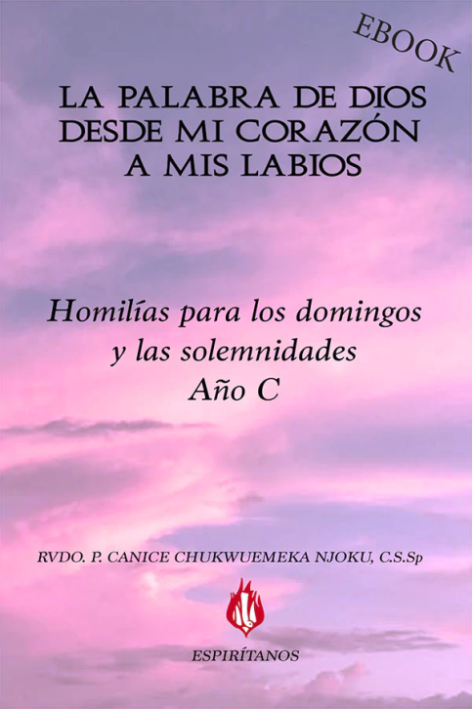
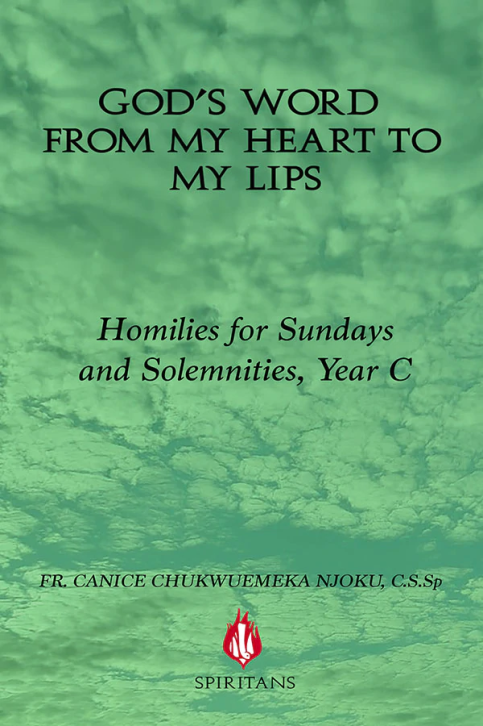
https://ppeditoresebooks.com/products/homilies-c-god-s-word-from-my-heart-to-my-lips-ebook?_pos=3&_sid=de180b38d&_ss=r

This first Sunday of Lent starts on a hopeful and joyful note. The readings bring into view concepts like faith, salvation, and victory over sin. These remind us of the need to praise God for the great wonders he worked for our fathers in the faith. Through our participation in this Lent, God is ready to extend the same wonders to us.

The first reading begins with a very brief account from Moses about how God delivered His chosen people Israel from bondage in the land of Egypt. Therefore, this reminds us of our salvific journey. This Lenten season, we are on a journey to our salvation. The hope of this salvation must sustain us throughout this season and beyond.

The second reading presents another dimension to this journey towards salvation. It offers faith as a necessary tool that must be manifested through our confessions. Without faith, it will be practically impossible to reach our destination. Faith, in this case, is the energy that motivates us as we march on. If we become weary along this journey this season, turning to Jesus is the best option available to us. If we call upon Him in faith, we shall find the strength to continue. We cannot prevail in this journey by our power alone.

Therefore, this season, we must be mindful that temptations abound, just as our Lord was tempted today by the devil in our gospel. It is important to note that the tempter is always looking for a point of contact or weakness. Once the devil realized that Christ was very hungry, he felt it was an opportunity to use Him. However, the good news is that the devil was wrong because Christ did not give him the chance to use Him. Hence, the devil cannot succeed with us, too, if we do not open avenues for him in our lives.

We must not give the devil any chance this season and in our entire lifetime. Therefore, let us close all the avenues in the course of this journey by wearing the sign: “Road Closed or No Vacancy Here!”  The avenues that must be closely guarded this season as the temptation of Christ teaches us to include: The avenues of hunger and thirst for sin, the highway of cheap popularity, vainglory, pride, and selfishness. These are obstacles to our spiritual growth and salvation.

As Paul writes: “the weapons of our warfare are not carnal, but they are mighty through God for pulling down Strongholds (2 Cor 10:4). Our weapons this season must include a firm faith in God, prayer, uprightness, good works, and the word of God. This is because: “We do not fight” (this season only) against flesh and blood. But, against powers of this dark age and the spiritual forces of evil in the heavenly realm” (Eph 6:10-12). Above all, we must allow the Holy Spirit to be in charge by being docile to Him.

One-Time
Monthly
Yearly

Make a one-time donation

Make a monthly donation

Make a yearly donation

Choose an amount

$5.00
$15.00
$100.00
$5.00
$15.00
$100.00
$5.00
$15.00
$100.00

Or enter a custom amount

$

Your contribution is appreciated.

Your contribution is appreciated.

Your contribution is appreciated.

DonateDonate monthlyDonate yearly

Finally, trusting in the arm of our flesh will not help us this season. This is because it might fail us. This season, God is absolutely ready to do for us what He did for our fathers in faith in ancient times through our Lord Jesus Christ. So, together with the psalmist today, let us unceasingly implore the Lord saying: “Be with me, O Lord, in my distress.”

Peace be with you!

Maranatha!

Homilía del primer domingo de Cuaresma, Año C

Un viaje hacia victoria y salvación
Lecturas: 1raDt 26, 4-10; Sal: 90; 2da: Ro 10, 8-13; Ev: Lc 4, 1-13

Esta breve reflexión fue escrita por el Padre Canice Chukwuemeka Njoku, C.S.Sp. Es un sacerdote católico y  miembro de la Congregación del Espíritu Santo (Espirítanos). Es un misionero en Puerto Rico. Es el Párroco de la Parroquia la Resurrección del Señor, Canóvanas y el Superior Mayor la Congregación del Espíritu Santo (Espirítanos), Circunscripción de Puerto Rico y Republica Dominicana. Fue el Canciller de la Diócesis de Fajardo Humacao, Puerto Rico. El Padre Canice es miembro de la academia de homilética (The Academy of Homiletics). Para más detalles y comentarios se puede contactarlo al: canice_c_njoku@yahoo.com, canicechukwuemeka@gmail.com.

(Dona @ATH Móvil: Canice Njoku)

(https://orcid.org/0000-0002-8452-8392)

El Miércoles de Ceniza comenzamos nuestro camino con Cristo. Como un viaje que durará alrededor de seis y media semanas. El tiempo de Cuaresma nos presenta la oportunidad de re-vivir el misterio pascual de Cristo. Nos expone a otras dimensiones de la vida y, por lo tanto, nos prepara para la gloria de la Pascua.

https://ppeditoresebooks.com/products/homilias-c-palabra-de-dios-ebook?_pos=8&_sid=1ef404b62&_ss=r

Este primer domingo de Cuaresma, se inicia una esperanzadora y alegre nota. Las lecturas nos presentan conceptos como la fe, la salvación y la victoria sobre el pecado. Nos recuerdan la necesidad de alabar a Dios por las grandes maravillas que Él ha hecho para nuestros padres en la fe. A través de nuestra participación en esta Cuaresma, Dios está listo para extender las mismas maravillas a nosotros. 

La primera lectura comienza con una muy breve reseña de Moisés sobre de cómo Dios libró a su pueblo escogido Israel de la esclavitud en la tierra de Egipto. Por lo tanto, esto nos recuerda nuestro viaje salvador. En este tiempo de Cuaresma, nos encontramos en un viaje a nuestra salvación, y la esperanza de la salvación que nos sostendrá durante toda esta temporada y más allá.

La segunda lectura, presenta otra dimensión a este viaje hacia la salvación. La fe se presenta como una herramienta necesaria que debe ser manifestada a través de nuestras confesiones. Sin la fe, será prácticamente imposible llegar a nuestro destino. La fe en este caso es la energía que nos motiva a seguir marchando. Si a lo largo de este viaje esta temporada, nos cansamos, dirijámonos a Jesús, es la mejor opción disponible para nosotros. Si le pedimos con fe, vamos a encontrar la fuerza para continuar.

Esta temporada, por lo tanto, debemos ser conscientes del hecho de que abundan las tentaciones, al igual que nuestro Señor fue tentado por el diablo como nos dice el evangelio. Es importante señalar que el tentador está siempre en busca de un punto de contacto o debilidad. Esta es la razón porque, una vez que el diablo se dio cuenta que Cristo estaba muy hambriento, pensó que era una oportunidad para tentar a Cristo. Sin embargo, la buena noticia es que el diablo estaba equivocado, porque Cristo no le dio la oportunidad. Por lo tanto, el diablo no puede tener éxito si no abrimos ningún camino para él en nuestras vidas.

No debemos dar al diablo ninguna oportunidad, ni en este tiempo ni en toda nuestra vida. Por lo tanto, vamos a cerrar todas las puertas al diablo en el curso de este viaje, pero llevando este aviso: “¡Carretera Cerrada o No Hay Vacante Aquí!” Los caminos que deben ser estrechamente vigilados esta temporada, como la tentación de Cristo nos enseña incluyen: los caminos de hambre y de sed por el pecado, el camino de popularidad barata, vana gloria, orgullo y egoísmo. Estos son los obstáculos que impiden nuestro crecimiento espiritual, la victoria y, por supuesto, nuestra salvación.

Como Pablo escribe: “Nuestras armas de guerra no son humanas. Sino que tienen la fuerza de Dios para destruir fortalezas: todos estos argumentos y soberbia que se oponen al conocimiento de Dios” (2 Co 10, 4). Nuestras armas esta temporada deben incluir una fe firme en Dios, la oración, la rectitud, las buenas obras, y la palabra de Dios. Esto es porque esta temporada: “No nos estamos enfrentando a fuerzas humanas, sino a las fuerzas oscuras, las fuerzas espirituales del mal en el reino celestial.” (Ef 6, 10-12). Así que, debemos permitir que el Espíritu Santo esté en control para ser dóciles a él.

One-Time
Monthly
Yearly

Make a one-time donation

Make a monthly donation

Make a yearly donation

Choose an amount

$5.00
$15.00
$100.00
$5.00
$15.00
$100.00
$5.00
$15.00
$100.00

Or enter a custom amount

$

Your contribution is appreciated.

Your contribution is appreciated.

Your contribution is appreciated.

DonateDonate monthlyDonate yearly

Por último, confiando en el brazo de nuestra propia carne no nos ayudará esta temporada. Esto es porque, nos podría fallar. Por medio de nuestro Señor Jesucristo, esta temporada, Dios está totalmente dispuesto a hacer por nosotros lo que hizo por nuestros padres en la fe en los tiempos de la antigüedad. Por lo tanto, junto con el salmista, dejemos incesantemente implorar el Señor diciendo: “Acompáñame señor en mi angustia.”

¡La paz sea con ustedes!

¡Maranatha!

Homily For Ash Wednesday, Year C

It Is Not An Easy Road, But Jesus Walks With Us

Readings: 1st: Jo 2:12-18; Ps: 50; 2nd: II Cor 5:20. 6, 2; Gos: Mt 6:1-6. 16-18

This brief reflection was written by Fr. Njoku Canice Chukwuemeka, C.S.Sp. He is a Catholic Priest and a member of the Congregation of the Holy Spirit (Spiritans). He is a missionary in Puerto Rico. He is the Parish Priest of Parroquia la Resurrección del Senor, Canóvanas, and the Major Superior of the Congregation of the Holy Spirit (Spiritans), Circumscription of Puerto Rico and the Dominican Republic. He was the chancellor of the Diocese of Fajardo Humacao, Puerto Rico. Fr. Canice is a member of the Academy of Homiletics. For more details and comments contact him at: canice_c_njoku@yahoo.com, canicechukwuemeka@gmail.com

(Dona @ATH Móvil: Canice Njoku)

(https://orcid.org/0000-0002-8452-8392)

Ash Wednesday marks the beginning of the Lenten season of the Church’s Liturgical Year. According to the Church’s teaching, the weekdays of Lent from Ash Wednesday to the Saturday before Palm Sunday take precedence over the memorial of the saints.

https://ppeditoresebooks.com/products/homilies-c-god-s-word-from-my-heart-to-my-lips-ebook?_pos=3&_sid=de180b38d&_ss=r

Lent is not just a period of “fulfilling an obligation imposed on us by the church” during this period of the year. Instead, it marks the beginning of an essential part of our salvific history. It is truly a season of re-living or re-enacting the entire Paschal Mystery of Christ.

Hence, today’s readings remind us of the importance of this season of Lent, which begins with our celebration of Ash Wednesday. The prophet Joel calls us to repentance through: “Fasting, mourning, and weeping.” While Paul calls this season: “A moment of grace, a favorable time, and of course, the day of salvation.”

Hence, he admonished us to use this season to reconcile ourselves with both men and God. Like our first reading, the gospel reminds us of the most important virtues of this season: “almsgiving, prayer, and fasting.” Not only did it highlight these virtues, but it also reminds us that our Lenten observance should be carried out with humility.

According to Old Testament practices, wearing ash is a sign of shame, defeat, and most importantly, a symbol of repentance. For us Christians, it means more than these. It also marks an essential point in our history of salvation. Though the ash we are going to receive today is a symbol of death, it strengthens our hope of rising with Christ. Hence, Paul reminds us that: “If we die with Christ, we will also rise with him” (Romanos 6:8).

header.gif

Today, we shall freely receive the ash made from the palms of the last Palm Sunday. This ash is a symbol of penance made sacramental by the blessings of the Church. It symbolizes our voluntary decision and willingness to walk and suffer with Christ this season. It also reminds us that life passes away on Earth. Hence, the Church reminds us of this fact through these words: “Remember, Man you are dust, and unto dust, you shall return.”

The lantern season does not end with Ash Wednesday as many of us think. This is because many will simply receive the ash today and disappear. No, this is not the right way to observe this season. The best way to celebrate the Lenten season is by attending liturgical functions like Stations of the Cross and retreats.

One-Time
Monthly
Yearly

Make a one-time donation

Make a monthly donation

Make a yearly donation

Choose an amount

$5.00
$15.00
$100.00
$5.00
$15.00
$100.00
$5.00
$15.00
$100.00

Or enter a custom amount

$

Your contribution is appreciated.

Your contribution is appreciated.

Your contribution is appreciated.

DonateDonate monthlyDonate yearly

It also involves taking advantage of the sacraments, especially sacraments of reconciliation, visiting the Blessed Sacrament, and going on pilgrimages. It involves moments of profound reflections on the mystery of our salvation. It is a period of reconciliation, fasting, prayer, and almsgiving, as our readings remind us today. Of course, we must not forget that this is season provides us an excellent opportunity to carry out both spiritual and corporal works of mercy.

El martes 11 de marzo a las 10:15 a.m. Centro vía Zoom: https://slu.zoom.us/j/9243455427.

Abstracto @: “Preaching Hope to Survivors of Hurricane Trauma: Crafting Need-Based Sermons.” https://rim.ir.atla.com/concern/etds/d05a5efe-bf09-490c-af14-4600f7395d07

Finally, it is important to remind us that we need a lot of discipline, courage, perseverance, faith, and tranquility of mind to triumph this season. So, with the psalmist, let us implore the Lord this season: “Have mercy on us, O Lord, for we have sinned.”

Peace be with you!

Maranatha!

Homilía de Miércoles de Ceniza, Año C

No es un camino fácil, pero Jesús camina con nosotros

Lecturas: 1ra: Jl 2, 12-18; Sal: 50; 2da: I Co 5, 20. 6, 2; Ev: Mt 6, 1-6. 16-18

Esta breve reflexión fue escrita por el Padre Canice Chukwuemeka Njoku, C.S.Sp. Es un sacerdote católico y  miembro de la Congregación del Espíritu Santo (Espirítanos). Es un misionero en Puerto Rico. Es el Párroco de la Parroquia la Resurrección del Señor, Canóvanas y el Superior Mayor la Congregación del Espíritu Santo (Espirítanos), Circunscripción de Puerto Rico y Republica Dominicana. Fue el Canciller de la Diócesis de Fajardo Humacao, Puerto Rico. El Padre Canice es miembro de la academia de homilética (The Academy of Homiletics). Para más detalles y comentarios se puede contactarlo all:canice_c_njoku@yahoo.com, canicechukwuemeka@gmail.com.

(Donate @ATH Móvil: Canice Njoku)

(https://orcid.org/0000-0002-8452-8392)

Miércoles de Ceniza marca el inicio de Cuaresma de la Iglesia. Según la doctrina de la Iglesia, los días de la semana de Cuaresma desde Miércoles de Ceniza hasta el sábado antes de domingo de Ramos tienen precedencia sobre las memorias de los santos.

https://ppeditoresebooks.com/products/homilias-c-palabra-de-dios-ebook?_pos=8&_sid=1ef404b62&_ss=r

La Cuaresma no es simplemente un período “para cumplir la obligación que nos impone la iglesia,” durante este período del año. Más bien, se marca el inicio de una parte importante de nuestra historia salvífica. Es realmente una temporada de re-vivir todo el misterio pascual de Cristo.

Por lo tanto, las lecturas de hoy nos recuerdan la importancia de este tiempo de Cuaresma, que comienza con la celebración de Miércoles de Ceniza. El profeta Joel nos llama al arrepentimiento a través de: ” Ayuno, luto y llanto.” Mientras que Pablo llama a esta temporada: “un momento de gracia, un tiempo favorable, y por supuesto, el día de la salvación.”

Por lo tanto, él nos advirtió que aprovecháramos esta temporada con el fin de reconciliar los hombres con Dios. Como nuestra primera lectura, el evangelio nos recuerda de las más importantes virtudes de esta temporada: “La limosna, la oración y el ayuno.” No sólo resalta estas virtudes, sino también nos recuerda que nuestra observancia de Cuaresma debe ser llevada a cabo con humildad y piedad.

Según al Antiguo Testamento, llevar cenizas es un signo de vergüenza, derrota y más importante, un signo de arrepentimiento. Para nosotros, los cristianos, significa más. Es un punto importante en la historia de nuestra salvación. Aunque, la ceniza que vamos a recibir hoy es un símbolo de muerte, fortalece nuestra esperanza de levantarnos con Cristo. Por lo tanto, Pablo nos recuerda que: “Si morimos con Cristo, resucitaremos con Él” (Romanos 6:8).

Hoy, vamos a recibir libremente la ceniza de las palmas del último Domingo de Ramos. Esta ceniza es un símbolo de la penitencia hecha sacramental por las bendiciones de la Iglesia. Se trata de un símbolo de nuestra decisión voluntaria de caminar con Cristo esta temporada. También nos recuerda que la vida pasa en la tierra. También nos recuerda que la vida no termina en la tierra. Por lo tanto, se nos recuerda de este hecho a través de estas palabras: “Recuerda, El Hombre es polvo, y al polvo volverás”.

La temporada de cuaresma no termina con el Miércoles de Ceniza como muchos de nosotros pensamos. Esto es porque muchos simplemente recibirán la ceniza hoy y desaparecerán. No, ésta no es la manera correcta para observar esta temporada. El tiempo de Cuaresma se observa mejor asistiendo a las funciones litúrgicas como vía crucis y los retiros.

One-Time
Monthly
Yearly

Make a one-time donation

Make a monthly donation

Make a yearly donation

Choose an amount

$5.00
$15.00
$100.00
$5.00
$15.00
$100.00
$5.00
$15.00
$100.00

Or enter a custom amount

$

Your contribution is appreciated.

Your contribution is appreciated.

Your contribution is appreciated.

DonateDonate monthlyDonate yearly

También se involucra tomar una buena ventaja de los sacramentos, especialmente el sacramento de la reconciliación. Se involucra visitas al Santísimo Sacramento y a peregrinar. Se involucra momentos de reflexión profunda en el misterio de nuestra salvación. Se trata de un período de reconciliación, el ayuno, la oración y la limosna como nuestras lecturas nos recuerdan hoy. Por supuesto, no podemos olvidar que esta temporada nos ofrece una gran oportunidad para llevar a cabo las obras de misericordia espiritual y corporal.

El martes 11 de marzo a las 10:15 a.m. Centro vía Zoom: https://slu.zoom.us/j/9243455427.

Abstracto @: “Preaching Hope to Survivors of Hurricane Trauma: Crafting Need-Based Sermons.” https://rim.ir.atla.com/concern/etds/d05a5efe-bf09-490c-af14-4600f7395d07

Por último, es importante decir que, a lo largo de esta temporada, necesitamos mucha disciplina, valentía, perseverancia, fe y la tranquilidad de la mente con el fin de triunfar. Con el salmista, pidamos al Señor esta temporada: “Ten piedad de nosotros, O Señor, porque hemos pecado”.

¡La paz sea con ustedes!

¡Maranatha!

Homily For The 8th Sunday Of Ordinary Time, Year C

Goodness And Beauty From The Heart

Readings: 1stSir 27:5-8; Ps: 91; 2nd1 Cor 15, 54-58; Gos: Lk 6:39-45

This brief reflection was written by Fr. Njoku Canice Chukwuemeka, C.S.Sp. He is a Catholic Priest and a member of the Congregation of the Holy Spirit (Spiritans). He is a missionary in Puerto Rico. He is the Parish Priest of Parroquia la Resurrección del Senor, Canóvanas, and the Major Superior of the Congregation of the Holy Spirit (Spiritans), Circumscription of Puerto Rico and the Dominican Republic. He was the chancellor of the Diocese of Fajardo Humacao, Puerto Rico. Fr. Canice is a member of the Academy of Homiletics. For more details and comments contact him at: canice_c_njoku@yahoo.com, canicechukwuemeka@gmail.com

(Donate @ATH Móvil: Canice Njoku)

(https://orcid.org/0000-0002-8452-8392)

Today, the eighth Sunday of ordinary time, the church continues to remind us of the virtues and qualities that should characterize our lives as Christians.

https://ppeditoresebooks.com/products/homilies-c-god-s-word-from-my-heart-to-my-lips-ebook?_pos=3&_sid=de180b38d&_ss=r

She reminds us that while physical appearance could be deceptive, what determines who we are is what comes from within us. This includes the quality of our words, the wisdom, and the goodness that we manifest.

So, our first reading is a call to be very careful in evaluating people based on their appearances rather than on the wisdom that comes from them. It says: “The test of a man is in his conversation. A man’s word betrays what he feels. Do not praise him before he speaks.”

Despite this, it suffices to note that one needs a lot of wisdom to discern the truth in someone’s word. This is true, especially given that many people say beautiful words to please and deceive others while their hearts are far from the truth.

Christ says: These people honor me with their lips, but their hearts are far from me” (Mt 15:8. Sometimes, they also tell us what we want to hear to make us happy for a moment and sad afterward.

The wisdom, good counsel, and, sincerity that come from the word of a Christian is what sets him apart. It makes him: “A man, in whom there is no guile or deceit” (John 1:47). Not only our words but our actions as Christian must edify, improve and encourage, others.

header.gif

So, today, we must ask ourselves, do my words edify or make any positive difference to others? Does it build or destroy the community?

In today’s gospel, Jesus also teaches us that the quality of our heart determines the quality of our words and actions. He says, “A good person, out of the store of goodness in his heart produces good, while an evil person, out of a store of evil produces evil; for from the fullness of the heart the mouth speaks.”

As Christians, if we live according to the good news, our actions and words would be guided by it. Consequently, it will affect others positively. On the contrary, if we fill our hearts with flirt, our words and actions would be filled with nothingness.

Also, Christ warns us today to be careful in judging others. Instead, we should be humble enough to look inwards before criticizing others. Hence, Paul reminds us: “If you think you are standing strong, be careful not to fall” (1Cor10:12).

Link: On Tuesday, March 11, at 10:15 a.m. Central. Via Zoom at: https://slu.zoom.us/j/9243455427

Abstract @: “Preaching Hope to Survivors of Hurricane Trauma: Crafting Need-Based Sermons.” https://rim.ir.atla.com/concern/etds/d05a5efe-bf09-490c-af14-4600f7395d07

In the second reading, Paul reminds us that God has given us victory through Christ. For this reason, we must be of good cheers and never relent in doing good. Christ’s victory must not be in vain. Instead, it must sustain us in good actions as Paul tells us today: “Keep laboring at the Lord’s work always, knowing that, in the Lord, you cannot be struggling in vain. This is a call to perfection in all we say and do.

Finally, today, may our hearts be filled with joy for what God has down for us through Christ. Through Him, we are filled with goodness so that we can praise and thank God with a cheerful and sincere heart. Indeed, it is good to give thanks to the Lord for what he has done for us.

Peace be with you!

Maranatha!

Homilía del Octavo Domingo del Tiempo Ordinario, Año C

Bondad y belleza desde el Corazón

Lecturas: 1ra: Sir 27:5-8; Sal: 91; 2nd: I Cor 15, 54-58; Ev: Lc 6: 39-45

Esta breve reflexión fue escrita por el Padre Canice Chukwuemeka Njoku, C.S.Sp. Es un sacerdote católico y  miembro de la Congregación del Espíritu Santo (Espirítanos). Es un misionero en Puerto Rico. Es el Párroco de la Parroquia la Resurrección del Señor, Canóvanas y el Superior Mayor la Congregación del Espíritu Santo (Espirítanos), Circunscripción de Puerto Rico y Republica Dominicana. Fue el Canciller de la Diócesis de Fajardo Humacao, Puerto Rico. El Padre Canice es miembro de la academia de homilética (The Academy of Homiletics). Para más detalles y comentarios se puede contactarlo all:canice_c_njoku@yahoo.com, canicechukwuemeka@gmail.com.

(Donar @ATH Móvil: Canice Njoku)

(https://orcid.org/0000-0002-8452-8392)

Hoy, el octavo domingo del tiempo ordinario, la iglesia sigue recordándonos las virtudes y cualidades que deben caracterizar nuestras vidas como cristianos.

HOMILIAS C – PALABRA DE DIOS – Ebook

Nos recuerda que, mientras que la apariencia física podría ser engañoso, lo que realmente determina quiénes somos es lo que viene desde nuestro interior. Esto incluye, la calidad de nuestras palabras, la sabiduría y la calidad que manifestamos.

Por lo tanto, nuestra primera lectura es una llamada a ser muy cuidadosos en la evaluación de alguien basándose en su apariencia en lugar de la sabiduría que proviene de ellos. Dice: “La prueba del hombre está en su razonamiento. La palabra muestra la mentalidad del hombre. Nunca alabes a nadie antes de que hable, porque ésa es la prueba del hombre.”

A pesar de esto, basta de añadir, que uno necesita mucha sabiduría para discernir la verdad en la palabra de alguien. Esto es especialmente, dado el hecho de que muchas personas dicen bellas y dulces palabras sólo para complacer y engañar a los demás, mientras que sus corazones están lejos de la verdad. Cristo dice: “Este pueblo de labios me honra; más su corazón está lejos de mí.” (Mt 15:8). A veces, también nos dicen lo que saben que queremos oir, sólo para hacernos felices por un momento y nos dejan triste después.

La sabiduría, el buen consejo y la sinceridad que proviene de la palabra de un cristiano es lo que lo distingue. Lo hace: “Un hombre, en el que no hay engaño” (Jn 1:47). No sólo nuestras palabras, sino nuestras acciones como cristianos deben edificar, mejorar y alentar a otros.

Así que, hoy debemos preguntarnos: ¿edifican mis palabras o hacen alguna diferencia positiva en los demás? ¿Se construye o destruye a la familia o la comunidad?

header.gif

En el Evangelio de hoy, Jesús también nos enseña que la calidad de nuestro corazón determina la calidad de nuestras palabras y acciones. Él dice: “El hombre bueno dice cosas buenas, porque el bien está en su corazón, y el hombre malo dice cosas malas, porque el mal está en su corazón, pues la boca habla de lo que está lleno el corazón”

Como cristianos, si vivimos según las buenas nueva, definitivamente, nuestras acciones y palabras serían dirigidas por ellas. Por consiguiente, afectará a otros positivamente. Al contrario, si llenamos nuestros corazones de las porquerías, también, nuestras acciones y palabras siempre serán vacías y de poca confianza.

Además, Cristo nos advierte hoy que tengamos cuidado al juzgar a los demás. Más bien, debemos ser lo suficientemente humildes para mirar hacia adentro antes de criticar a los demás. Por lo tanto, Pablo nos recuerda: “Si crees que estás fuerte, ten cuidado de no caer” (1Co10:12).

El martes 11 de marzo a las 10:15 a.m. Centro vía Zoom: https://slu.zoom.us/j/9243455427.

Abstracto @: “Preaching Hope to Survivors of Hurricane Trauma: Crafting Need-Based Sermons.” https://rim.ir.atla.com/concern/etds/d05a5efe-bf09-490c-af14-4600f7395d07

En la segunda lectura, Pablo nos recuerda que Dios nos ha dado la victoria por medio de Cristo. Por esta razón, no debemos cansar de hacer el bien. La victoria de Cristo no debe ser en vano. Más bien, debe sostenernos en buenas acciones como Pablo nos dice hoy: “Estén firmes y permanezcan constantes, trabajando siempre con fervor en la obra de Cristo.” Esta es una llamada a la perfección en todo lo que decimos y hacemos.

Finalmente, hoy nuestros corazones están llenos de gozo por lo que Dios ha hecho para nosotros por medio de Cristo. Por medio de él, estamos llenos de bondad para que podamos alabar y agradecer a Dios con un corazón alegre y sincero. De hecho, es bueno dar gracias al Señor por lo que ha hecho por nosotros.

¡La paz sea con ustedes!

¡Maranatha!

Homily For The 7th Sunday Of Ordinary Time, Year C

Essential Virtues And Elements Of Our Christian Life

Readings: 1st1 Sam 26:2, 7-9, 12-23; Ps 103; 2ndI Cor 15:45-49; Gos: Lk 6:27-38

This brief reflection was written by Fr. Njoku Canice Chukwuemeka, C.S.Sp. He is a Catholic Priest and a member of the Congregation of the Holy Spirit (Spiritans). He is a missionary in Puerto Rico. He is the Parish Priest of Parroquia la Resurrección del Senor, Canóvanas, and the Major Superior of the Congregation of the Holy Spirit (Spiritans), Circumscription of Puerto Rico and the Dominican Republic. He was the chancellor of the Diocese of Fajardo Humacao, Puerto Rico. Fr. Canice is a member of the Academy of Homiletics. For more details and comments contact him at: canice_c_njoku@yahoo.com, canicechukwuemeka@gmail.com

(https://orcid.org/0000-0002-8452-8392)

On this seventh Sunday, the Church reminds us of the essential virtues and elements of our Christian life. They include mercy and compassion, love of God and neighbor, self-control, appreciation of values, moral responsibility, awareness of sin, and the sacred sense. These are marks of our spiritual progress and Christian growth. Also, they form part of the church’s social doctrine.

https://ppeditoresebooks.com/products/homilies-c-god-s-word-from-my-heart-to-my-lips-ebook?_pos=3&_sid=de180b38d&_ss=r

Today’s first reading is dramatic. David had the death warrant of his enemies in his hands, yet he refused to pronounce it. Instead, he left it for God to pronounce in his way and at his appropriate time. He heeded God’s word: “Do not repay anyone evil for evil. Do not take revenge. Vengeance is mine” (Rom 12: 17-19; Deut 32:35).

In today’s Gospel, Jesus gave a very important sermon on these essential virtues and elements that must guide our lives and actions as Christians. It is a new commandment because it overrules the Old Testament law of reprisal attack or retributive justice. There is no doubt that humanly speaking, it is a very difficult one. However, it demands a lot of sacrifice and courage.

So, how do we reconcile our constant quest for justice with the virtues of mercy and compassion? Is there any common ground between them? This is especially, in our world, where we constantly speak of mercy and at the same time advocate for the strictest sense of justice. That is the maximum punishment (even the death penalty) for our offenders.

header.gif

(Donate @ATH Móvil: Canice Njoku)

The second-weekday preface of the Eucharistic (II) prayer gives us a clue to this problem. It says, “Injustice, God condemned us. In mercy, he redeemed us.” Yes, it is what it is. Indeed, contrary to what our society has programmed us to believe, justice and mercy are not mutually exclusive.

Hurts and wounds do not heal so fast. In some cases, their scars do not disappear entirely during one’s lifetime. However, Christ knew this perfectly well. He not only preached this sermon, but he also lived it. So, he is not asking us to do what he did not do.

Link: On Tuesday, March 11, at 10:15 a.m. Central. Via Zoom at: https://slu.zoom.us/j/9243455427

Abstract @: “Preaching Hope to Survivors of Hurricane Trauma: Crafting Need-Based Sermons.” https://rim.ir.atla.com/concern/etds/d05a5efe-bf09-490c-af14-4600f7395d07

Paul reminds us in our second reading that we derived our body and way of life from the earthly man (Adam). In contrast, we derived the spirit that gives life and animates our body from the heavenly man (Christ).

Hence, the spirit guides those who have received Christ. They are born of the Spirit. Christ’s new commandment may seem complicated, his spirit and grace will enable us to live these essential virtues and elements of our Christian life.

There are some lessons for us from today’s readings. First, we must learn to leave vengeance for God. So, we must not take every opportunity for revenge against our offenders. Forgiveness heals all wounds and wipes all scars away.

Second, we must not always bow to pressures from circumstances or our colleagues to do evil. This is because two wrongs can never make one right. Reprisal attack or revenge may hurt one even more than it will hurt one’s offender. In this case, we may win the war but not the peace, love, and friendship.

Finally, no matter our situation or circumstance, we must not lose the sense of the sacred. We must guard against sin. All lives belong to God, and only he has the right to take them away. Also, let us remember that we cannot help God in his judgment. He knows what to do, how to do it, and the best time to do it. So, we must let God be God “Lord is merciful and kind.”

Peace be with you!

Maranatha!

Homilía del Séptimo Domingo del Tiempo Ordinario, Año C

Virtudes y elementos esenciales de nuestra vida Cristiana

Lecturas: 1ra: 1 Sam 26:2, 7-9, 12-23; Sal: 103; 2nd: I Cor 15:45-49; Ev: Lc 6:27-38

Esta breve reflexión fue escrita por el Padre Canice Chukwuemeka Njoku, C.S.Sp. Es un sacerdote católico y  miembro de la Congregación del Espíritu Santo (Espirítanos). Es un misionero en Puerto Rico. Es el Párroco de la Parroquia la Resurrección del Señor, Canóvanas y el Superior Mayor la Congregación del Espíritu Santo (Espirítanos), Circunscripción de Puerto Rico y Republica Dominicana. Fue el Canciller de la Diócesis de Fajardo Humacao, Puerto Rico. El Padre Canice es miembro de la academia de homilética (The Academy of Homiletics). Para más detalles y comentarios se puede contactarlo all:canice_c_njoku@yahoo.com, canicechukwuemeka@gmail.com.

(Donar @ATH Móvil: Canice Njoku)

(https://orcid.org/0000-0002-8452-8392)

En este séptimo Domingo, la Iglesia nos recuerda las virtudes esenciales y los elementos de nuestra vida cristiana. Incluyen: misericordia y compasión, amor de Dios y al prójimo, autocontrol y apreciación de los valores, responsabilidad moral, conciencia del pecado y, el sentido de lo sagrado. Estas son marcas de nuestro progreso espiritual y crecimiento cristiano. Estas también forman parte de la doctrina social de la iglesia.

https://ppeditoresebooks.com/products/homilias-c-palabra-de-dios-ebook?_pos=8&_sid=de180b38d&_ss=r

La primera lectura de hoy es muy dramática. David tenía la orden de muerte de sus enemigos en sus manos, sin embargo, se negó a pronunciarlo. Más bien, lo dejó para que Dios se pronuncie a su manera, y en su momento oportuno. Él escuchó la palabra de Dios: “No paguen a nadie mal por mal. La venganza es mía” (Ro 12:17-19; Deut 32:35).

En el Evangelio de hoy Jesús dio un sermón muy importante sobre estas virtudes esenciales y elementos que deben guiar nuestras vidas y acciones como cristianos. Es un mandamiento nuevo porque, anula la ley del antiguo testamento que se trata de ataque represalia o de la justicia retributiva. No hay duda de que, humanamente hablando, es muy difícil. Sin embargo, exige mucho sacrificio y valentía.

header.gif

Entonces, ¿cómo reconciliamos nuestra búsqueda constante de justicia con las virtudes de la misericordia y la compasión? ¿Hay algún terreno común entre ellos? Esto es especialmente, en nuestro mundo en el que constantemente hablamos de misericordia, y al mismo tiempo abogamos por el sentido más estricto de la justicia. Es decir, el castigo máximo (incluso la pena de muerte), para nuestros ofensores.

El segundo prefacio de la oración eucarística semanal nos da una pista de este problema cuando dice: “En la justicia Dios nos condenó, en misericordia nos redimió.” Sí, es lo que es. La justicia y la misericordia pueden ser mutuamente excluyentes contra lo que nuestra sociedad nos ha programado a creer.

El martes 11 de marzo a las 10:15 a.m. Centro vía Zoom: https://slu.zoom.us/j/9243455427.

Abstracto @: “Preaching Hope to Survivors of Hurricane Trauma: Crafting Need-Based Sermons.” https://rim.ir.atla.com/concern/etds/d05a5efe-bf09-490c-af14-4600f7395d07

Los dolores y las heridas no sanan tan rápido. En algunos casos, sus cicatrices no desaparecen completamente durante toda la vida de uno. Sin embargo, Cristo lo sabía perfectamente bien. No sólo predicó este sermón, sino que también lo vivió. Así que no nos pide que hagamos lo que no hizo.

Pablo nos recuerda en nuestra segunda lectura que, derivamos nuestro cuerpo y forma de vida del hombre terrenal (Adán). Mientras derivamos el espíritu que da vida y anima nuestro cuerpo del hombre celestial (Cristo).

Por lo tanto, aquellos que han recibido a Cristo son guiados por su espíritu. Nacen del espíritu. Aunque, el nuevo mandamiento de Cristo puede parecer difícil, su espíritu y su gracia nos ayudaran vivir estas virtudes esenciales y elementos de nuestra vida cristiana.

Hay tantas lecciones para nosotros de las lecturas de hoy. Primero, debemos aprender a dejar la venganza por Dios. Por lo tanto, no debemos aprovechar todas las oportunidades para la venganza contra nuestros delincuentes. El perdón cura todas las heridas y borra todas las cicatrices.

Segundo, no siempre debemos inclinarse ante las presiones de las circunstancias, o de nuestros colegas para hacer el mal. Esto es porque, dos males nunca equivalaran aun un buen acto. Un ataque de represalia o venganza puede herir a uno aún más de lo que lastimará a su ofensor. En este caso, podemos ganar la guerra, pero no la paz, el amor y la amistad.

Por último, no importa nuestra situación o circunstancia, no debemos perder el sentido de lo sagrado. Debemos protegernos contra el pecado. Además, recordemos que no podemos ayudar a Dios en su juicio. Él sabe qué hacer, cómo hacerlo, y el mejor momento para hacerlo. Por lo tanto, debemos dejar que Dios sea Dios. Porque, “El Señor es compasivo y misericordioso “.

¡La paz sea con ustedes!

¡Maranatha!

Homilía del Sexto Domingo del Tiempo Ordinario, Año C

Señor, Nuestra Confianza y Esperanza está en ti

Lecturas: 1ra: Jer 17:5-8; Sal: 1:1-6; 2da: I Co 15:12.16-20; Ev: Lc 6:17.20-26

Esta breve reflexión fue escrita por el Padre Canice Chukwuemeka Njoku, C.S.Sp. Es un sacerdote católico y  miembro de la Congregación del Espíritu Santo (Espirítanos). Es un misionero en Puerto Rico. Es el Párroco de la Parroquia la Resurrección del Señor, Canóvanas y el Superior Mayor la Congregación del Espíritu Santo (Espirítanos), Circunscripción de Puerto Rico y Republica Dominicana. Fue el Canciller de la Diócesis de Fajardo Humacao, Puerto Rico. El Padre Canice es miembro de la academia de homilética (The Academy of Homiletics). Para más detalles y comentarios se puede contactarlo all:canice_c_njoku@yahoo.com, canicechukwuemeka@gmail.com.

(Donar @ATH Móvil: Canice Njoku)

(https://orcid.org/0000-0002-8452-8392)

Hoy, el sexto domingo del tiempo ordinario, la Iglesia nos invita a poner nuestra confianza en Dios y en su único hijo Jesucristo. A través de su resurrección, Cristo conquistó la muerte y fortaleció nuestra fe y esperanza de la vida eterna.

https://ppeditoresebooks.com/products/homilias-c-palabra-de-dios-ebook?_pos=8&_sid=de180b38d&_ss=r

Por lo tanto, la primera lectura de hoy del libro de Jeremías nos recuerda sucintamente las consecuencias de confiar únicamente en nuestras habilidades, en nuestra fuerza humana y en los seres humanos. “Esto dice el Señor, maldito el hombre que confía en el hombre, que en él pone su fuerza y aparta del Señor su corazón.” A través de esto, se nos recuerda que todo esto nos fallará porque, nuestro éxito y supervivencia no dependen únicamente de ellos.

Por lo tanto, la primera lectura de hoy nos llama a una reflexión muy profunda. Debemos preguntarnos, ¿en quién y en qué he puesto mi confianza? Poner nuestra confianza en Dios es el mejor acercamiento a la vida. Ciertamente, debemos hacer esfuerzos y hacer lo que debemos hacer como seres humanos. Sin embargo, no debemos olvidar que, es Dios quien sostiene, confirma y bendice nuestros caminos y esfuerzos.

Debemos estar conscientes del hecho que, sin él, no somos nada como el Venerable Francis Libermann, C. S. Sp constantemente repetía antes de su muerte: “¡Dios es todo, el hombre es nada! ¡Dios es todo, el hombre es nada!

Confiar en Dios es una gran fuente de bendición y gozo interior. Por lo tanto, el salmista nos recuerda que: “Los que confían en el Señor son como el monte de Sion que nunca puede ser sacudido” (Sal 125:1).

header.gif
https://api.neonemails.com/emails/content/uhCdQs-DxLyWSwuFIvR7IHRFoOjmB1ujv8IGPCvRVmY=

En la segunda lectura, Pablo igualmente hace el mismo punto. Nuestra esperanza no debe ser totalmente colocada en este mundo ni en nuestros esfuerzos solos, sino en Cristo, que a través de su resurrección ha fortalecido nuestra esperanza de la eternidad.

Por lo tanto, Pablo nos dice: “Si nuestra esperanza en Cristo se redujera tan sólo a las cosas de esta vida, seríamos los más infelices de todos los hombres”. En otras palabras, la vida no termina aquí. Hay algo más allá de este mundo, y sólo nuestra esperanza en Cristo resucitado nos llevará allí. En pocas palabras, nuestro viaje con Cristo no termina aquí, sino que trasciende este mundo.

Mientras que nuestra primera lectura comenzó con una advertencia muy fuerte contra no confiar en Dios, el Evangelio de hoy comienza con una bendición para aquellos que están listos para hacer la voluntad de Dios. La bienaventuranza es un gran cantico que nos llama a una vida de virtud, de reflexión y de entrega total a la voluntad de Dios.

Es el cantico de Cristo que nos llama a confiar firmemente en Dios, mientras que esperamos la eternidad. Estas bendiciones son para aquellos que están totalmente dispuestos a confiar en Dios. Las Bienaventuranzas también nos recuerdan que todo lo que hacemos y trabajamos aquí nos ganará la vida eterna. Es decir, si los hacemos bien, y por Dios.

One-Time
Monthly
Yearly

Make a one-time donation

Make a monthly donation

Make a yearly donation

Choose an amount

$5.00
$15.00
$100.00
$5.00
$15.00
$100.00
$5.00
$15.00
$100.00

Or enter a custom amount

$

Your contribution is appreciated.

Your contribution is appreciated.

Your contribution is appreciated.

DonateDonate monthlyDonate yearly

Finalmente, la buena noticia para nosotros hoy es simple, nada en este mundo puede robarnos nuestra paz de la mente y la alegría interior, porque nuestra confianza no está en este mundo, ni en el hombre. Más bien, nuestra confianza está en Cristo crucificado y resucitado, el Salvador y la esperanza del mundo. El Salmista resume esta buena noticia para nosotros: “Dichoso el hombre que confía en el Señor”

¡La paz sea con ustedes!

¡Maranatha!

Homily For The 6th Sunday Of Ordinary Time, Year C

Lord, Our Trust, And Hope Is In You

Readings: 1st: Jer 17:5-8; Ps: 1:1-6; 2ndI Cor 15:12.16-20; Gos: Lk 6:17.20-26

This brief reflection was written by Fr. Njoku Canice Chukwuemeka, C.S.Sp. He is a Catholic Priest and a member of the Congregation of the Holy Spirit (Spiritans). He is a missionary in Puerto Rico. He is the Parish Priest of Parroquia la Resurrección del Senor, Canóvanas, and the Major Superior of the Congregation of the Holy Spirit (Spiritans), Circumscription of Puerto Rico and the Dominican Republic. He was the chancellor of the Diocese of Fajardo Humacao, Puerto Rico. Fr. Canice is a member of the Academy of Homiletics. For more details and comments contact him at: canice_c_njoku@yahoo.com, canicechukwuemeka@gmail.com

(Donate @ATH Móvil: Canice Njoku)

(https://orcid.org/0000-0002-8452-8392)

Today, the sixth Sunday of Ordinary Time, the church invites us to place our trust in God and in his only son, Jesus Christ. Through his resurrection, Christ conquered death and strengthened our faith and hope of eternal life.

https://ppeditoresebooks.com/products/homilies-c-god-s-word-from-my-heart-to-my-lips-ebook?_pos=3&_sid=de180b38d&_ss=r

So, today’s first reading from the book of Jeremiah succinctly reminds us of the consequences of trusting solely on our abilities, on our human strength, and on human beings: “Cursed is the one who trusts in human beings, who seeks his strength in flesh, whose heart turns away from the Lord.” Through this, we are reminded that all these will fail us because our success and survival do not depend solely on them.

So, today’s first reading calls us to a very deep reflection. We must ask ourselves, in who, and in what have I put my trust? Placing our trust in God is the best approach to life. certainly, we must make efforts and do what we must do as humans. However, we must not forget that it is God who sustains, confirms, and blesses our ways and efforts.

We must be conscious of the fact that without him, we are nothing as the venerable Libermann, C. S. Sp constantly repeated before his death: “God is all, man is nothing, God is all, man is nothing! To place one’s trust in God is a great source of blessing and interior joy. Hence, the psalmist reminds us that: “Those who trust in the Lord are like Mount Zion that can never be shaken” (Ps 125:1)

In the second reading, Paul equally makes the same point. Our hope must not be totally placed on this world or on our efforts alone, but on Christ who through his resurrection has strengthened our hope of eternity.

header.gif

Hence, Paul tells us: “If for this life only we have hoped in Christ, we are the most pitiable people of all.” In other words, life does not end here. There is something beyond this world, and only our hope in the resurrected Christ will take us there. Simply put, our journey with Christ does not end here, it transcends this world.

While our first reading began with a very strong warning against not trusting in God, today’s gospel begins with a blessing for those who are ready to do God’s will. The beatitude is a great song that calls us to a life of virtue, reflection, and total surrender to God’s will.

It is Christ’s song that calls us to trust firmly in God while looking forward to eternity. These blessings are for those who are totally and willingly ready to place everything in God’s hands. The beatitudes also remind us that all we do and work for here will gain us eternal life. That is if we do them well and for the sake of God.

One-Time
Monthly
Yearly

Make a one-time donation

Make a monthly donation

Make a yearly donation

Choose an amount

$5.00
$15.00
$100.00
$5.00
$15.00
$100.00
$5.00
$15.00
$100.00

Or enter a custom amount

$

Your contribution is appreciated.

Your contribution is appreciated.

Your contribution is appreciated.

DonateDonate monthlyDonate yearly

Finally, the good news for us today is simple, nothing in this world can rob us of our peace of mind and interior joy, because our trust is not in this world, nor in man. Rather, our trust is in the crucified and rise, Christ, the savior and hope of the world. The psalmist summarized this good news for us: “Happy the man who has placed his trust in the Lord.”

Peace be with you!

Maranatha