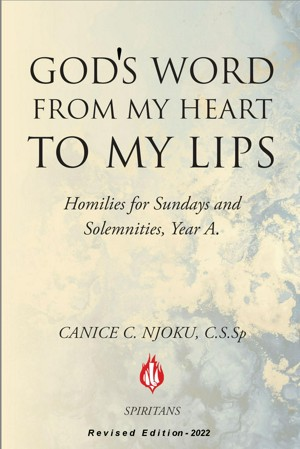
Pip: Wisdom, vigilance, the parable of the ten virgins — canicecnjoku is not easing anyone into the liturgical season gently.
Mara: Both homilies this week come from the same Sunday readings — the thirty-second Sunday of Ordinary Time, Year A — and they work through the same territory: what it means to seek wisdom, and what it costs to wait unprepared.
Pip: Let’s start with that question of wisdom and vigilance.
Mara: The central claim across both homilies is that wisdom and preparedness are not separate virtues — they are the same posture, applied to the same problem: how do you wait for something you cannot schedule?
Pip: And the first reading from Wisdom sets the frame immediately. The English homily quotes it directly: “wisdom is found by only those who look for her.” Wisdom is personified as a woman, and the search is active, patient, and non-negotiable.
Mara: The consequence the homily draws from that is stark. Without wisdom, the text says, “our spirituality remains shallow and unbalanced; our religious life would be mere fanaticism.” Wisdom is not a bonus feature of faith — it is the structural load-bearing element.
Pip: Which makes the second reading’s pivot to grief and the Parousia feel less like a detour and more like the same argument in a different register.
Mara: Exactly. Paul tells the Thessalonians not to grieve the dead as people without hope — and the homily quotes him directly: “Do not grieve about them like other people who have no hope. God will bring them with him.” The upshot is that the wise response to loss is not despair but reorientation toward readiness.
Pip: There is a moment in the homily where someone jokes that a broken promise is “like that of Jesus’ Parousia” — and rather than flinching, the text absorbs it. The delay is real. The cynicism is understandable. And the answer is still: only the wise wait.
Mara: That tension carries straight into the parable of the ten virgins in the Gospel, which both the English and Spanish homilies treat as the week’s sharpest illustration. Five virgins prepared, five did not. The Spanish homily names the dividing line plainly — it is “la misma delgada línea que separa la sabiduría y la necedad, el cielo y el infierno.”
Pip: The same thin line. The Spanish homily covers the same ground with the same readings, offering the reflection to a different community — same urgency, different tongue.
Mara: And both versions close on the same image: the soul thirsting for God “like a dry, weary land without water.” Preparation is not anxious stockpiling — it is sustained longing.
Pip: The delay, then, is not a problem to solve. It is the condition under which readiness is built.
Mara: What stays with me is that both homilies treat waiting as active work — not passive endurance, but a posture that requires wisdom to sustain.
Pip: The thin line between wisdom and foolishness, heaven and hell — same Sunday next year, that image will still be doing its work.