Homilía del Trigésimo Cuarto Domingo del Tiempo Ordinario, Año C

¡Exalten, al Rey Universal de la Gloria!
Lecturas: (1ra: 2Sam 5, 1-3; Sal: 121, 1-5; 2da: Col 1, 12-20; Ev: Lc 22, 35-43)

Esta breve reflexión fue escrita por el Padre Canice Chukwuemeka Njoku, C.S.Sp. Es un sacerdote católico y  miembro de la Congregación del Espíritu Santo (Espirítanos). Es un misionero en Puerto Rico. Es el Párroco de la Parroquia la Resurrección del Señor, Canóvanas y el Superior Mayor la Congregación del Espíritu Santo (Espirítanos), Circunscripción de Puerto Rico y Republica Dominicana. Era el Canciller de la Diócesis de Fajardo Humacao, Puerto Rico. El Padre Canice es miembro de la academia de homilética (The Academy of Homiletics). Para más detalles y comentarios se puede contactarlo al: 

canice_c_njoku@yahoo.com, canicechukwuemeka@gmail.com

(https://orcid.org/0000-0002-8452-8392)

En este trigésimo cuarto y último domingo del tiempo ordinario, del año C, la Santa Madre Iglesia celebra la solemnidad de nuestro Señor Jesucristo, Rey Universal. Hoy le adoramos como el Rey de reyes y el Señor de señores (Ap. 17:1), y lo exaltamos como el Señor soberano del universo (Da 7, 14).

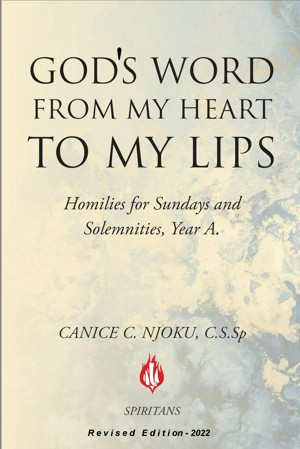
Disponible al:

Smashwords: https://www.smashwords.com/books/view/1179509

Amazon: https://www.amazon.com/dp/B094YTH1YX?ref_

Papa Pio XI instituyó la fiesta de Cristo Rey en 1925 en respuesta al creciente nacionalismo y secularismo. A través de esto, la iglesia quería llevar nuestra adoración de Jesús, de la privacidad de nuestros corazones a un nivel superior. Es decir, a proclamar orgullosamente su reinado como rey universal. El título de la fiesta fue “Jesu Christi Regis” (Nuestro Señor Jesucristo, el rey). Sin embargo, en 1969 el Papa Pablo VI dio la fiesta un nuevo título: “Iesu Christi universorum regis.” (Nuestro Señor Jesucristo, rey del universo). Se elevó a una solemnidad y tiene su celebración en el último domingo del año litúrgico.

En la primera lectura, los israelitas se unieron para elegir a David como su rey. La razón es sencilla. Vieron en él un digno siervo que se impone sobre ellos. No era necesario gastar mucho dinero y recursos para ser elegido. Más bien, él fue unánimemente aclamado rey, como nosotros aclamamos a Cristo hoy. Él no tomó el honor por sí mismo porque, sabía que: “nadie se toma este honor a sí mismo” (Heb 5:4). Así que, si nos humillamos a nosotros mismos, Dios nos exaltará. Nuestro pueblo dará testimonio de nuestra capacidad para dirigir.

En la segunda lectura, Pablo nos recuerda que Dios: “ha creado un lugar para nosotros en el reino de su hijo amado.” ¡Qué más necesitamos! Esto requiere júbilo. Por lo tanto, al celebrar hoy, sepamos que, así como nos damos a conocer el glorioso esplendor del reinado de Cristo,” así mismo proclamamos nuestro reinado sobre este mundo y sus fuerzas.

En el Evangelio de hoy, Pilato y los judíos ignorantemente conspiraron para castigar a Cristo, su rey. En lugar de aceptarlo, endurecieron sus corazones la llamada de Dios a compartir y participar en su reino y gloria. Nuestra celebración hoy no es una burla como de los judíos hicieron. Por el contrario, es una verdadera celebración del reinado universal de nuestro Señor Jesucristo.

Como los judíos del tiempo de Cristo, algunos de nosotros realmente somos engañados por lo que vemos en este mundo. Algunos judíos del tiempo de Cristo creyeron que todo termina aquí en la tierra. Ellos representan los materialistas de hoy en día. Esto es un grave error porque el reino de este mundo pasará, pero el reinado de Cristo es eterno.

Cristo, Rey del Universo, es un modelo a seguir para todos los reyes, gobernantes, presidentes, y los líderes. Él cuida, ama y vive en paz con su pueblo. Él no gobierna con mano dura, poder militar o financiero. Es un buen pastor, un juez justo y un rey compasivo. Él es el único rey que nos trata como sus hermanos y amigos.

Cristo, nuestro rey universal es divino, pero comparte nuestra humanidad, y nos permite compartir su naturaleza real y sacerdotal (Ap 1:6; I Tes. 2:12). Él está siempre cercano, y no hay protocolos especiales para llegar a Él. Por lo tanto, celebremos porque: “el Señor viene a su pueblo con justicia. Él reinará para siempre y nos dará un regalo de paz”

¡La paz sea con ustedes!

¡Maranata!

Homily For 34th Sunday of Ordinary Time, Year C

Exalt the Universal King of Glory!

Readings: 1st: 2 Sam 5:1-3; Ps: 121:1-5; 2nd: Col 1:12-20; Gos: Luke 22:35-43

This brief reflection was written by Fr. Njoku Canice Chukwuemeka, C.S.Sp. He is a Catholic Priest and a member of the Congregation of the Holy Spirit (Spiritans). He is a missionary in Puerto Rico. He is the Parish Priest of Parroquia la Resurrección del Senor, Canóvanas, and the Major Superior of the Congregation of the Holy Spirit (Spiritans), Circumscription of Puerto Rico and the Dominican Republic. He was the chancellor of the Diocese of Fajardo Humacao, Puerto Rico. Fr. Canice is a member of the Academy of Homiletics. For more details and comments contact him at: 

canice_c_njoku@yahoo.com, canicechukwuemeka@gmail.com

(https://orcid.org/0000-0002-8452-8392)

On this thirty-fourth and last Sunday of ordinary time, year C, the holy mother church celebrates the solemnity of Our Lord Jesus Christ, the Universal King. Today we adore Him as the King of kings and the Lord of lords (Rev 17:1), and we exalt Him as the sovereign ruler of the universe (Dan 7:14).

Available on:

Smashwords: https://www.smashwords.com/books/view/1179451

Amazon: https://www.amazon.com/dp/B094YSGTZF

Pope Pius XI instituted the feast of Christ the King in 1925 in response to growing nationalism and secularism. Through this, the Church intends to upgrade our worship from the privacy of our hearts to a higher level. That is, to also proudly proclaim his public and universal reign as king. The title of the feast was “Jesu Christi Regis” (Our Lord Jesus Christ, the King). However, in 1969 Pope Paul VI gave the feast a new title, “Iesu Christi universorum regis.” (Our Lord Jesus Christ, King of the Universe). He elevated it to a solemnity and fixed its celebration on the last Sunday of each liturgical year.

In the first reading of today, the entire Israelites united in making David King. The reason is simple. They saw in him a worthy servant. He did not impose himself on them. He did not need to waste much money and resources to be chosen or elected. Instead, they genuinely and unanimously acclaimed him their king, as we praise Christ our king today. He did not take the honor upon himself because he knew that: “No one takes this honor unto himself” (Heb 5: 4). If we humble ourselves, God will exalt us. Our people will bear joyful testimony to our capability to lead them.

In the second reading, Paul reminds us that God “Has created a place for us in the kingdom of the son that he loves.” What more do we need! This calls for jubilation. So, as we celebrate today, let us know that as we “Make known the glorious splendor of Christ’s reign,” that we are proclaiming our reign over this world and its forces.

In today’s gospel, Pilate and the Jews ignorantly conspired to castigate Christ, their king. Rather than accept him, they hardened their hearts to God’s call to share in his kingdom and glory. Our celebration today is not a mockery as the Jews, and the unrepentant criminal did. Instead, it is a genuine celebration of the universal reign of our Lord Jesus Christ.

Like the Jews of Christ’s time, some of us are carried away by what we see in this present world. Some Jews of Christ’s time represent the modern-day materialists who believe that everything ends here on earth. This is a grave mistake because the kingdom of this world will pass away, but Christ’s reign and the kingdom are eternal.

Christ, the universal king, is a role model to all kings, rulers, presidents, decision-makers, and leaders. He cares, loves, and lives in peace with his people. He does not rule with iron fists, military might, or financial strength. He is a good Shepherd, a just judge, and a compassionate king. He is the only king who treats us as his brothers, sisters, and, friends.

Christ, our universal king, is divine, yet he shares in our humanity and allows us to share in his kingly and priestly nature (Rev 1:6; I Th 2:12). He is ever close, and no special protocols are required to reach him. So, brethren, let us celebrate because: The Lord comes to rule his people with fairness. He will reign forever and will give his people the gift of peace.

Peace be with you!

Maranatha!

Homily For The 33rd Sunday Of Ordinary Time, Year C

We shall Triumph through Perseverance & Hard Work

Readings: 1st: Mal 3:19-20; Ps: 97, 5-7; 2nd: 2 Thes 3:7-12; Gos: Luke 21:5-19

This brief reflection was written by Fr. Njoku Canice Chukwuemeka, C.S.Sp. He is a Catholic Priest and a member of the Congregation of the Holy Spirit (Spiritans). He is a missionary in Puerto Rico. He is the Parish Priest of Parroquia la Resurrección del Senor, Canóvanas, and the Major Superior of the Congregation of the Holy Spirit (Spiritans), Circumscription of Puerto Rico and the Dominican Republic. He was the chancellor of the Diocese of Fajardo Humacao, Puerto Rico. Fr. Canice is a member of the Academy of Homiletics. For more details and comments contact him at: 

canice_c_njoku@yahoo.com, canicechukwuemeka@gmail.com

(https://orcid.org/0000-0002-8452-8392)

Today is the thirty-third Sunday of ordinary time. A week from now, we shall come to the end of year C. Hence,  today’s readings point toward “The end of time” and our victory in Christ. According to Gautama Siddhartha (563-483 B.C), “Endurance is one of the most challenging disciplines, but final victory comes to the one who endures.” Therefore, let us endure until we triumph over all the forces of this world.

In today’s first reading, Malachi speaks of the day of the Lord. He paints two pictures. First, he speaks of the fate of the evil one. Second, the triumph of the righteous who endures till the end. This reading serves as an encouragement to help us continue patiently in good works. Malachi ends with a promise of victory: “But for you who fear my name, the sun of righteousness will shine out with healing in its rays.” This is our hope and the reward.

In the second reading, Paul encouraged us to keep working hard. This is in order to earn our earthly and heavenly living. The Church does not in any way promote laziness or idleness. Hence, she teaches us that sloth, the reluctance to work, is one of the seven capital sins. Saint Thomas Aquinas wrote, “Sloth is the sluggishness of the mind which neglects to begin well. It is evil in its effect. It oppresses man to draw him away entirely from good deeds (Summa Theologiae 2, 35, art. 1). Hard work yields good and enduring fruits. Hard work makes a good Christian. It abhors laziness and idleness.

Sadly, many Christians no longer appreciate hard work. Instead, we perpetually depend on others directly or indirectly. In order to make fast and cheap money, some engage in all sorts of evils like drugs, armed robbery, fraud, and even “corporate begging.” This is what Paul means by: “Now we hear that some of you are living in idleness, doing no work themselves but interfering with anyone else’s.” A lazy Christian yields easily to all sorts of vices.

In the gospel, Christ prophesied the end of a time in the history of Israel. This culminated with the destruction of the temple around 70 AD. He also spoke of the imminent hardships and persecution before, during, and after this time. However, He concludes with these encouraging words: “Your endurance will win you your lives.”

Hence, the Lord encourages us to persevere in righteousness and endure difficult moments. By warning that the Temple of Jerusalem would be destroyed despite its elegance and greatness, Christ also reminds us that nothing in this world will last forever, no matter how precious they are to us. The only thing that will endure is our faith in Christ.

https://www.youtube.com/watch?v=H88jnoBbPmY

Finally, today in our families, offices, businesses, careers, and in our world at large, we face difficulties that at times question our faith. However, if we endure all these patiently as Christ tells us, we shall have enough reasons to smile at the end, and of course, “the sun of righteousness will shine on us with healing in its rays.”

Peace be with you all!

Maranatha!

Homilía del Trigésimo Tercer Domingo de Tiempo Ordinario, Año C

Triunfaremos a través de la Perseverancia Y Buen Trabajo 

Lecturas: 1ra: Mal 3, 19-20; Sal: 97, 5-7; 2da: 2Tes 3, 7-12; Ev: Lc 21, 5-19

Esta breve reflexión fue escrita por el Padre Canice Chukwuemeka Njoku, C.S.Sp. Es un sacerdote católico y  miembro de la Congregación del Espíritu Santo (Espirítanos). Es un misionero en Puerto Rico. Es el Párroco de la Parroquia la Resurrección del Señor, Canóvanas y el Superior Mayor la Congregación del Espíritu Santo (Espirítanos), Circunscripción de Puerto Rico y Republica Dominicana. Era el Canciller de la Diócesis de Fajardo Humacao, Puerto Rico. El Padre Canice es miembro de la academia de homilética (The Academy of Homiletics). Para más detalles y comentarios se puede contactarlo al: 

canice_c_njoku@yahoo.com, canicechukwuemeka@gmail.com

(https://orcid.org/0000-0002-8452-8392)

Hoy es el trigésimo tercer domingo del tiempo ordinario. Falta una sola semana para terminar este año litúrgico C. Por lo tanto, las lecturas de este domingo apuntan a “el fin del tiempo” y nuestra victoria en Cristo. Según Gautama Siddhartha, (563-483 A.C.): “La resistencia es una de las disciplinas más difíciles, pero la victoria final viene a quien aguanta.” Por lo tanto, debemos aguantar hasta que triunfemos sobre todas las fuerzas de este mundo.

En la primera lectura de hoy, Malaquías habla del día del Señor. Pinta dos imágenes. Primera, el destino del maligno. Segundo, el triunfo de los justos que perdurara hasta el final. Esta lectura sirve como un estímulo para nosotros a permanecer pacientemente en buenas obras. Se termina con una promesa de victoria: “Pero para ustedes los que temen mi nombre, el sol de justicia brillará trayendo la sanación en sus rayos.” Esta es nuestra esperanza y la recompensa

En la segunda lectura, Pablo nos anima a seguir trabajando duro. Esto es para ganar nuestra vida terrenal y celestial. La iglesia de ninguna manera apoya la pereza u ociosidad. Por lo tanto, ella nos enseña que la pereza, es decir, la renuencia o reticencia a trabajar, es uno de los siete pecados capitales. Santo Tomás de Aquino escribió: “La pereza es lentitud de la mente que descuida para comenzar bien…es malvado en su efecto, se oprime el hombre en cuanto a señalar a lo lejos totalmente de buenas obras (Summa Theologiae 2, 35, arte. 1). Buen trabajo produce frutos buenos y duraderos. Es una marca de un buen cristiano. Se aborrece la pereza y la ociosidad.

Por desgracia, hoy en día muchos no aprecian duro trabajo. En cambio, dependen de otros directa o indirectamente. Para ganar el dinero rápido o fácilmente, algunos se meten con drogas, robo, fraude mientras que otros se han convertido en “mendigos corporativos.” Esto es lo que Pablo quiere decir: “Ahora escuchamos que algunos de ustedes viven ociosamente, no haciendo nada y entrometiéndose en todo. A estos les mandamos y exhortamos en el Señor Jesucristo que trabajen en paz para ganarse su pan.” Un cristiano perezoso rinde o cede fácilmente a todo tipo de vicios. 

En el Evangelio, Cristo profetizó el fin de una época en la historia de Israel. Esto culminó con la destrucción del templo alrededor de siglo 70 DC. También habló de las dificultades inminentes y persecución antes, durante y después de este tiempo. Sin embargo, concluyo con estas palabras de ánimo: “Gracias, a la perseverancia salvarán sus vidas.” 

Por lo tanto, el Señor nos anima a perseverar en la justicia y soportar momentos difíciles. Al advertir que el templo de Jerusalén sería destruido a pesar de su elegancia y grandeza, Cristo nos recuerda también que nada de este mundo va a durar para siempre no importa lo precioso que sea para nosotros. Lo único que perdurará es nuestra fe en Cristo.

https://www.youtube.com/watch?v=OGOX6elzL2k

Por último, hoy en día en nuestras familias, oficinas, empresas, carreras profesionales y en nuestro mundo, en general, nos enfrentamos tantas dificultades que a veces cuestionan nuestra fe. Sin embargo, si soportamos todo esto pacientemente como Cristo nos dice, tendremos motivos suficientes para sonreír al final, y por supuesto, “el sol de justicia brillará sobre nosotros con curación en sus rayos.”

¡La paz sea con ustedes!

¡Maranata!

Homily for the 32nd Sunday of Ordinary Time, Year C

Endurance And Hope In Jesus Christ

Readings: (1st: Macc 7, 1-14; Ps: 16 1. 5-15; 2nd: 2 Thes 2, 16-5, 3; Gos: Luke 20:27-38)

This brief reflection was written by Fr. Njoku Canice Chukwuemeka, C.S.Sp. He is a Catholic Priest and a member of the Congregation of the Holy Spirit (Spiritans). He is a missionary in Puerto Rico. He is the Parish Priest of Parroquia la Resurrección del Senor, Canóvanas, and the Major Superior of the Congregation of the Holy Spirit (Spiritans), Circumscription of Puerto Rico and the Dominican Republic. He was the chancellor of the Diocese of Fajardo Humacao, Puerto Rico. Fr. Canice is a member of the Academy of Homiletics. For more details and comments contact him at: 

canice_c_njoku@yahoo.com, canicechukwuemeka@gmail.com

(https://orcid.org/0000-0002-8452-8392)

On this thirty-second Sunday of ordinary time, the Church reminds us of the importance of hope anchored on Christ and our resurrection in Him. She reminds us that we shall achieve our hope in Christ if we valiantly persevere through the temptations, hardships, and persecutions of this life. Hence, we should always rejoice in the glorious future promised to us by Christ when he fills us with the vision of God’s glory.

HOMILIES C – GOD’S WORD FROM MY HEART TO MY LIPS

What keeps us going as Christians is the hope that one day our lives would be better. It is the hope that “we shall see God face to face” (Rev 22:4) and the hope that the fullness of life does not reside here on earth but in the eternal kingdom of God. Hence, the Church teaches us that: “Hope is the theological virtue by which we desire the kingdom of heaven and eternal life as our happiness, placing our trust in Christ’s promises and relying not on our strength, but the help of the grace of the Holy Spirit” (CCC1817).

One can summarize today’s first reading in this simple Latin adage that says, “Tolerandum et operandum (we must endure and hope)!” The story of the seven brothers is a typical example of how hope can sustain us. What was at stake was more than just eating pork meat. Instead, it was about God’s command and their identity as the people of God.

They faced persecution courageously because of the hope they had in God’s promise of eternal life, “It was heaven that gave me these limbs, from him I hope to receive them again.” The lesson we must learn from this heroic act is that we must not be afraid of persecution or hardships for the sake of our faith in Christ. Instead, we should let the hope we have in eternal life sustain us always. “Let us hold on unswervingly to the hope we profess, for he who promised is faithful” (Heb 10:23).

https://api.neonemails.com/emails/content/uhCdQs-DxLyWSwuFIvR7IHRFoOjmB1ujv8IGPCvRVmY

In the second reading of today, Paul prayed for us. He asked, “God who equips us with comfort and hope to strengthen us in everything good.” Paul wrote to a people who expected the immediate return of Christ due to suffering, persecution, and hardship. So, he wrote to encourage them to endure while hoping for the fulfillment of Christ’s promise. Hence, he prays for the strength that will sustain them in their suffering and hard times, “The Lord is faithful and will give you strength and guard you against the evil one.”

Finally, today’s Gospel is also on hope. That is, the hope in the resurrection of the dead! The Sadducees were only looking for a way to trap Christ. Also, they wanted to justify their belief that life ends here on earth. However, they were wrong. Through his discussion with them, Christ reassures us that life does not end here. Hence Paul reminds us that: “If our hope in Christ is only for this life, then we deserve more pity than anyone else (I Cor 15:19). Our hope must not end here because we are on a journey toward eternal life in Christ.

HOMILIES C – GOD’S WORD FROM MY HEART TO MY LIPS – Ebook

Today, the Church beckons us to hold on to the hope we have in the joyful fulfillment of God’s promises and our resurrection in Christ. Hope strengthens our faith and keeps us praying. Let us then pray with the psalmist to the Lord, “Guard me, Lord, as the apple of your eye. Hide me in the shadow of your wings, and I shall awake, with the sight of your glory!

Peace be with you all!

Maranatha!

Homilía del Trigésimo Segundo Domingo del Tiempo Ordinario, Año C

Preseverancia y Esperanza en Jesucristo 
Lecturas: 1raMac 7, 1-14; Sal: 16 1. 5-15; 2da2Tes 2, 16-5, 3; Ev: Lc 20, 27-38

Esta breve reflexión fue escrita por el Padre Canice Chukwuemeka Njoku, C.S.Sp. Es un sacerdote católico y  miembro de la Congregación del Espíritu Santo (Espirítanos). Es un misionero en Puerto Rico. Es el Párroco de la Parroquia la Resurrección del Señor, Canóvanas y el Superior Mayor la Congregación del Espíritu Santo (Espirítanos), Circunscripción de Puerto Rico y Republica Dominicana. Era el Canciller de la Diócesis de Fajardo Humacao, Puerto Rico. El Padre Canice es miembro de la academia de homilética (The Academy of Homiletics). Para más detalles y comentarios se puede contactarlo al: 

canice_c_njoku@yahoo.com, canicechukwuemeka@gmail.com

(https://orcid.org/0000-0002-8452-8392)

En este trigésimo segundo domingo del tiempo ordinario, la Iglesia nos recuerda la importancia de la esperanza anclada en Cristo y en nuestra resurrección en Él. Se nos recuerda que, si perseveramos valientemente las tentaciones, dificultades y persecuciones de esta vida, lograremos nuestra esperanza en Cristo.

HOMILIAS C – PALABRA DE DIOS

Lo que nos mantiene firmes como cristianos es la esperanza que algún día nuestra vida sería mejor. Es la esperanza de que “nos veremos a dios cara a cara “(Ap. 22:4). Es la esperanza de que la plenitud de la vida no reside aquí en la tierra, sino en el reino eterno de Dios. Por lo tanto, la Iglesia nos enseña que: “La esperanza es la virtud teologal por la que aspiramos al Reino del cielo y a la vida eterna como felicidad nuestra, poniendo nuestra confianza en las promesas de Cristo y apoyándonos no en nuestras fuerzas, sino en los auxilios de la gracia del Espíritu Santo. CIC1817). 

La primera lectura de hoy podría resumirse en este simple adagio latino que dice: “¡Tolerandum et sperandum (debemos aguantar y esperar)!” La historia de los siete hermanos es un ejemplo típico de cómo la esperanza puede sostenernos. Lo que estaba en juego era algo más que de comer la carne de cerdo. Más bien, era sobre el mandato de Dios su valor, y su identidad como el pueblo de Dios.

Se enfrentaron persecución valientemente por la esperanza que tenían en la promesa de Dios de la vida eterna: “Era cielo, que me dio estos miembros…de él espero recibirlos nuevamente.” La lección que debemos aprender de este acto heroico es que no debemos tener miedo de persecuciones o dificultades por nuestra fe en Cristo. Más bien, debemos dejar que la esperanza que tenemos en la vida eterna nos sostiene siempre. “Mantengamos firmes sin perder nuestra esperanza, porque fiel es el que prometió.” (Heb 10: 23).

https://api.neonemails.com/emails/content/uhCdQs-DxLyWSwuFIvR7IHRFoOjmB1ujv8IGPCvRVmY

En la segunda lectura, Pablo oro por nosotros. Pidió a “Dios que equipa con comodidad y esperanza, que nos fortalece en todo lo que es bueno.” Pablo escribió a un pueblo, que debido muchos sufrimientos, persecuciones y dificultades espera el inmediato regreso de Cristo. Por lo tanto, él escribió para animarlos a soportar mientras que esperan el cumplimiento de la promesa de Cristo. Por lo tanto, se ora por la fuerza que se sostienen en sus tiempos de sufrimientos y duros: “…el Señor es fiel y les dará fuerza y les guardará del todo mal…”

El Evangelio de hoy es sobre la esperanza. Es decir, ¡la esperanza en la resurrección de los muertos! Los saduceos sólo estaban buscando una manera de atrapar a Christ. También, querían justificar su creencia de que la vida termina aquí en la tierra. Sin embargo, estaban equivocados. A través de su discusión con ellos, Cristo nos asegura que la vida no termina aquí. Por lo tanto, Pablo nos recuerda que: “Si nuestra esperanza en Cristo es sólo para esta vida, entonces nos merecen más lástima que nadie” (I Co 15:19). Nuestra esperanza no debe terminar aquí porque estamos en un viaje hacia la vida eterna en Cristo.

HOMILIAS C – PALABRA DE DIOS – Ebook

Hoy, la Iglesia nos llama a permanecer firmes a la esperanza que tenemos en el gozoso cumplimiento de las promesas de Dios y de nuestra resurrección en Cristo. Esperanza fortalece nuestra fe, y nos mantiene orando. Oremos entonces con el salmista al Señor: “Escóndeme a la sombra de tus alas, y al despertar, me saciaré de tu presencia con la visión de tu gloria.

¡La paz sea con ustedes!

¡Maranata!

Homily For The 31st Sunday Of Ordinary Time, Year C

The Merciful Christ is Passing our Way

Readings: 1st: Wis 11:22-12:2; Ps: 144:1-2. 11-14; 2nd: 2 Thes 1, 11-2:2; Gos: Lk 19:1-10

This brief reflection was written by Fr. Njoku Canice Chukwuemeka, C.S.Sp. He is a Catholic Priest and a member of the Congregation of the Holy Spirit (Spiritans). He is a missionary in Puerto Rico. He is the Parish Priest of Parroquia la Resurrección del Senor, Canóvanas, and the Major Superior of the Congregation of the Holy Spirit (Spiritans), Circumscription of Puerto Rico and the Dominican Republic. He was the chancellor of the Diocese of Fajardo Humacao, Puerto Rico. Fr. Canice is a member of the Academy of Homiletics. For more details and comments contact him at: 

canice_c_njoku@yahoo.com, canicechukwuemeka@gmail.com

(https://orcid.org/0000-0002-8452-8392)

On this 31st Sunday of ordinary time, year C, the Church reminds us that though we might seem insignificant, it does not diminish the love, mercy, and salvation of God for us. God loves all that exists. So, in his mercy, He comes to dwell with us. All it takes is one divine encounter with Him for a transformation to take place.

In today’s first reading, the book of Wisdom reminds us of the mercy of God, which extends to all his creatures irrespective of their status. Hence, despite the weakness of humankind, God continues to be merciful: “Yet, you are merciful to all because you can do all things and overlook men’s sins so that they can repent.” In order words, our merciful God allows us to retrace our steps.

This is the nature of God’s mercy! As a father who would not despise his child, God will not despise his people because he values every one of us. Even when we offend him, Wisdom says, “Little by little, you correct those who offend, and you admonish and remind them how they have sinned.”

In the second reading, Paul prays for us to persevere in good deeds and faith in Christ. He equally encourages us to continue without being carried away by false rumors of the Lord’s imminent coming. In order words, in as much as the Lord will come in fulfillment of his promise to us, we must go ahead living our lives. We must not just sit down doing nothing. Instead, we have to get ourselves busy with good deeds.

Today’s gospel reminded me of the song that says, “Jesus is coming this way today.” Every day Jesus keeps coming our way full of mercy and love. He comes our way through our neighbors, through the sacraments, and the whole of creation. Do we see or recognize Him? How much effort do we make to have a glimpse of him?

https://api.neonemails.com/emails/content/uhCdQs-DxLyWSwuFIvR7IHRFoOjmB1ujv8IGPCvRVmY

The story of Zacchaeus is a good indication that the merciful Christ comes to seek and save us. Irrespective of all human obstacles, the courage, and humility of Zacchaeus attracted the attention and mercy of Christ to him. He refused to be limited by the crowd or allowed his shortcoming to hinder his salvation. He saw mercy and redemption and immediately took advantage of them.

In life, there are so many obstacles preventing us from seeing Christ. If we make frantic efforts as Zacchaeus did, Christ will undoubtedly notice us and show us his loving mercy. Therefore, we must rise above all obstacles that prevent us from seeing Christ and receiving his mercy. Paul advised Timothy thus, “Do not allow anyone to look down on you because you are young” (I Tim 4:12). Likewise, we must not allow any obstacle to prevent us from seeing Christ.

Finally, humility helps us to accept who we are. However, it does not prevent us from trying to overcome our shortcomings. Instead, it should spur us to search for good paths to success in life. Zacchaeus’ humility and effort to see and encounter Christ are worth emulating.

He acknowledged the fact that he was short and could not contend with the crowd for space. He did not quarrel with anyone. Instead, he explored another option. My dear, there are so many other options in life better than that one that has made your life miserable.

Peace be with you all!

Maranatha!

Homilía del Trigésimo Primer Domingo del Tiempo Ordinario, Año C

Cristo el Misericordioso va pasando ya 
Lecturas: 1ra: Sb 11, 22-12:2; Sal: 144:1-2. 11-14; 2da: 2 Tes 1:11-2:2; Ev: Lc 19:1-10)

Esta breve reflexión fue escrita por el Padre Canice Chukwuemeka Njoku, C.S.Sp. Es un sacerdote católico y  miembro de la Congregación del Espíritu Santo (Espirítanos). Es un misionero en Puerto Rico. Es el Párroco de la Parroquia la Resurrección del Señor, Canóvanas y el Superior Mayor la Congregación del Espíritu Santo (Espirítanos), Circunscripción de Puerto Rico y Republica Dominicana. Era el Canciller de la Diócesis de Fajardo Humacao, Puerto Rico. El Padre Canice es miembro de la academia de homilética (The Academy of Homiletics). Para más detalles y comentarios se puede contactarlo al: 

canice_c_njoku@yahoo.com, canicechukwuemeka@gmail.com

(https://orcid.org/0000-0002-8452-8392)

En este trigésimo primer domingo del tiempo ordinario, la Iglesia nos recuerda que, aunque podemos parecer insignificantes, esto no disminuye el amor, la misericordia y la salvación de Dios para nosotros. Dios ama todo lo que existe. Así, en su misericordia, viene a morar con nosotros. Solo lo que necesitamos es un encuentro divino con Él para una transformación.

En la primera lectura, el libro de la sabiduría nos recuerda la misericordia de Dios que se extiende a todas sus criaturas independientemente de su estado. Por lo tanto, a pesar de la debilidad de la humanidad, Dios sigue siendo misericordioso: “…Sin embargo, Eres misericordioso para todos porque puedes hacer todas las cosas y no das cuenta de los pecados de los hombres para que ellos puedan arrepentirse.” En palabras de orden, nuestro Dios misericordioso nos da la oportunidad de cambiar nuestro camino.

¡Esta es la naturaleza de la misericordia de Dios! Como un padre que no desprecia a su propio hijo, así Dios no despreciará su pueblo porque valora cada uno de nosotros. Esto es incluso cuando le ofendemos. Sabiduría dice: “…Por eso, reprendes poco a poco, a los que caen, y los amonestas recordándoles sus pecados, para que se aparten del mal…

En la segunda lectura, Pablo ora para que podamos perseverar en la fe en Cristo. Igualmente nos anima a continuar sin ser llevados por falsos rumores de la venida inminente del Señor. En palabras de orden, en cuanto el Señor vendrá en cumplimiento de su promesa para nosotros, debemos seguir viviendo nuestras vidas. Nosotros no debemos sólo sentarnos sin hacer nada. Por el contrario, tenemos que seguir ocupados con buenas obras.

El Evangelio de hoy me recordó el cantico que dice: “Jesús el galileo va pasando ya.” Cada día Jesús sigue pasando por nuestro camino lleno de misericordia y amor. Viene a nuestro camino a través de nuestros vecinos, a través de los sacramentos y toda la creación. ¿Lo ves o Lo reconoces? ¿Cuánto esfuerzo hacemos para ver y conocerlo más?

https://api.neonemails.com/emails/content/uhCdQs-DxLyWSwuFIvR7IHRFoOjmB1ujv8IGPCvRVmY

La historia de Zaqueo es una indicación verdadera que el misericordioso Cristo viene a buscar y salvarnos. Independientemente de todos los obstáculos humanos, la valentía y la humildad de Zaqueo trajo la atención y la misericordia de Cristo a él. Él rechazó ser limitado por la muchedumbre, no permitió que su debilidad fuera un obstáculo para su salvación. Zaqueo vio misericordia y salvación y lo aprovechó.

En la vida, hay muchos obstáculos que nos impiden ver a Cristo. Si hacemos esfuerzos frenéticos como hizo Zaqueo, Cristo nos verá y nos mostrará su misericordia. Por lo tanto, debemos superar todos los obstáculos que nos impide ver a Cristo para recibir su misericordia. Pablo aconsejó a Timoteo: “No deje que nadie le desprecie porque eres joven” (I Tim 4:12). Asimismo, no debemos permitir que ningún obstáculo nos impida ver a Cristo y realizar nuestra meta en la vida. 

Finalmente, la humildad nos ayuda a aceptar quiénes somos. Sin embargo, no nos impide tratar de superar nuestros defectos. En cambio, debe impulsarnos a buscar otras maneras para lograr éxito en la vida. La humildad y el esfuerzo de Zaqueo para ver y conocer a Cristo es digno de emular. Él reconoció el hecho de que era bajito y no podía luchar o pelear por el espacio con la multitud. No peleó con nadie. Por el contrario, exploró simplemente otra opción. Mis queridos hermanos, hay muchas otras buenas opciones en la vida, mejor que aquel que ha hecho su vida miserable. 

¡La paz sea con ustedes!

¡Maranatha!

Homily For The Thirtieth (Mission) Sunday of Ordinary Time, Year C

Mission is Service and Sacrifice

Readings: 1st: Sir 35:12-14.16-19; Ps: 32; 2nd: 2Tim 4:6-8.16-19; Gos: Lk 18:9-14

This brief reflection was written by Fr. Njoku Canice Chukwuemeka, C.S.Sp. He is a Catholic Priest and a member of the Congregation of the Holy Spirit (Spiritans). He is a missionary in Puerto Rico. He is the Parish Priest of Parroquia la Resurrección del Senor, Canóvanas, and the Major Superior of the Congregation of the Holy Spirit (Spiritans), Circumscription of Puerto Rico and the Dominican Republic. He was the chancellor of the Diocese of Fajardo Humacao, Puerto Rico. Fr. Canice is a member of the Academy of Homiletics. For more details and comments contact him at: 

canice_c_njoku@yahoo.com, canicechukwuemeka@gmail.com

(https://orcid.org/0000-0002-8452-8392)

Today is World Mission Sunday. The Church invites us to reflect on our personal response, to Christ’s mission. It is a special day to revitalize our faith and to rededicate ourselves to Christ’s mission. It is also, a day to show special solidarity to all true missionaries who have responded to Christ’s mandate: “Go, make disciples of all nations.”

https://ppeditoresebooks.com/collections/venta-en-papel/products/homilies-c-god-s-word-from-my-heart-to-my-lips

The theme for the 2022 world mission Sunday is You shall be my witnesses” (Acts 1:8). As always, World Mission Sunday reminds us that the Church is missionary by nature.

This year’s World Mission Day offers us the opportunity to commemorate several important events in the Church’s life and mission: the fourth centenary of the founding of the Congregation de Propaganda Fide, now the Congregation for the Evangelization of Peoples, and the second centenary of the Society of the Propagation of the Faith. A hundred years ago, the latter, together with the Society of the Holy Childhood and the Society of Saint Peter the Apostle, was granted the title “Pontifical”.

Today, Pope Francis tells us, “Dear brothers and sisters, I continue to dream of a completely missionary Church, and a new era of missionary activity among Christian communities. I repeat Moses’ great desire for the people of God on their journey: “Would that all the Lord’s people were prophets!” (Num 11:29). Indeed, would that all of us in the Church were what we already are by virtue of baptism: prophets, witnesses, missionaries of the Lord, by the power of the Holy Spirit, to the ends of the earth!” (Pope Francis’ message for World Mission Sunday 2022).

In today’s second reading, Paul, having carried out his mission confidently awaits good judgment from the Just Judge. He boldly asserts himself: “I have fought the good fight to the end, I have kept the faith; all there is to come now is the crown of righteousness reserved for me.”

https://api.neonemails.com/emails/content/uhCdQs-DxLyWSwuFIvR7IHRFoOjmB1ujv8IGPCvRVmY

There is only one thing that can give one such confidence. This is a life well-lived in humility and the fear of God. If we are already living our mission, we must not stop. Instead, we must struggle to the end and the finish line. When Paul was yet to accomplish his mission and race, he wrote, “I do not claim that I have already arrived. I move on towards the goal to win the prize” (Phil 3:12-14). Now, he rejoices because he has accomplished his mission.

Mission is indeed service and sacrifice rendered in love for the salvation of all nations. This love comes with patience and docility to the will of God. It begins by transforming the missionary into a great instrument for the salvation of others. So, today Christ teaches us that to be great is to be ready to serve and to make sacrifices for others.

As we celebrate Mission Sunday today, the voice of salvation continues to call us to be more faithful to God’s mission both in us and in others. It reminds us of the great challenges before us today in God’s mission. This includes our changing cultures, societies, and lifestyle that must be urgently evangelized and redeemed.

https://ppeditoresebooks.com/products/homilies-c-god-s-word-from-my-heart-to-my-lips-ebook?_pos=3&_sid=de180b38d&_ss=r

The good news is that we can overcome these challenges through the spirit of sacrifice and love. This is because love is always on the move, and inspires us to share a wonderful and hope-filled message as “witnesses of Christ to the ends of the earth” (Act 1:8).

Happy Mission Sunday!

Peace be with you all!

Maranatha!

Homilía del Trigésimo Domingo (de Domund) del Tiempo Ordinario, Año C

Misión es a servicio y sacrificio

Lecturas: 1ra: Sir: 35:12-14.16-19; Sal: 32; 2da: 2Tim 4: 6-8.16-19; Ev: Lc 18: 9-14

Esta breve reflexión fue escrita por el Padre Canice Chukwuemeka Njoku, C.S.Sp. Es un sacerdote católico y  miembro de la Congregación del Espíritu Santo (Espirítanos). Es un misionero en Puerto Rico. Es el Párroco de la Parroquia la Resurrección del Señor, Canóvanas y el Superior Mayor la Congregación del Espíritu Santo (Espirítanos), Circunscripción de Puerto Rico y Republica Dominicana. Era el Canciller de la Diócesis de Fajardo Humacao, Puerto Rico. El Padre Canice es miembro de la academia de homilética (The Academy of Homiletics). Para más detalles y comentarios se puede contactarlo al: 

canice_c_njoku@yahoo.com, canicechukwuemeka@gmail.com

(https://orcid.org/0000-0002-8452-8392)

Hoy es el Domingo Mundial de las misiones. La Iglesia nos invita a reflexionar sobre nuestra respuesta personal, a la misión de Cristo. Es un día especial para revitalizar nuestra fe, y rededicarnos a la misión de Cristo. Es también, un día para mostrar una solidaridad especial a todos los verdaderos misioneros que han respondido al mandato de Cristo: “vayan, hagan discípulos de todas las naciones”.

https://ppeditoresebooks.com/products/homilias-c-palabra-de-dios?

El lema de la jornada mundial de las misiones de 2022 es Para que sean mis testigos” (Hch 1,8). Como siempre, el domingo de las misiones nos ayuda a vivir el hecho de que la Iglesia es misionera por naturaleza.

Este año, nos ofrece la ocasión de conmemorar algunas fechas relevantes para la vida y la misión de la Iglesia: la fundación hace 400 años de la Congregación de Propaganda Fide que hoy, es para la Evangelización de los Pueblos y de la Obra de la Propagación de la Fe. Hace 200 años, que, junto a la Obra de la Santa Infancia y a la Obra de San Pedro Apóstol, obtuvieron. Hace 100 años el reconocimiento de “Pontificias”.

En esta jornada, el Papa Francisco no dice, “Queridos hermanos y hermanas, sigo soñando con una Iglesia totalmente misionera y una nueva estación de la acción misionera en las comunidades cristianas. Y repito el deseo de Moisés para el pueblo de Dios en camino: «¡Ojalá todo el pueblo de Dios profetizara!» (Nm 11,29). Sí, ojalá todos nosotros fuéramos en la Iglesia lo que ya somos en virtud del bautismo: profetas, testigos y misioneros del Señor. Con la fuerza del Espíritu Santo y hasta los confines de la tierra.”‘ (Mensaje del Papa Francisco Domund, 2022).

https://api.neonemails.com/emails/content/uhCdQs-DxLyWSwuFIvR7IHRFoOjmB1ujv8IGPCvRVmY

En la segunda lectura, Pablo, habiendo terminado su mision ahora espera con confianza el buen juicio de del juez justo. Él se afirma audazmente: “He luchado bien en el combate, he corrido hasta el final, he perseverado en la fe. Ahora sólo espero la corona merecida, con la que el Señor, justo juez, me premiará en aquel día.”

Sólo hay una cosa que puede dar uno tal confianza. Esto es, una vida bien vivida en la humildad, y el santo temor de Dios. Si ya estamos viviendo nuestra mision, no debemos detenernos. Más bien, debemos luchar hasta al final. Cuando Pablo no ha cumplido su misión, escribió: “No es que ya lo haya conseguido todo, o que ya sea perfecto. Sin embargo, sigo adelante esperando alcanzar aquello para lo cual Cristo Jesús me alcanzó a mí” (Filp 3:12-14).

Misión es servicio y sacrificio rendido en el amor por la salvación de todas las naciones. Este amor viene con paciencia y docilidad a la voluntad de Dios. Comienza por transformar al misionero en un gran instrumento para la salvación de los demás. Así que, hoy Cristo nos enseña que ser grande es estar listo para servir y hacer sacrificios por los demás.

Al celebrar el domingo de la misión hoy, la voz de la salvación nos sigue llamando a ser más fieles a la misión de Dios en tanto nosotros mismos y en otros. Nos recuerda los grandes desafíos que hoy nos enfrentamos en la misión de Dios. Esto incluye, los cambios en nuestra cultura, sociedad y estilo de vida que deben ser urgentemente evangelizados y redimidos.

https://ppeditoresebooks.com/products/homilias-c-palabra-de-dios-ebook?_pos=8&_sid=1ef404b62&_ss=r

La buena noticia es que podemos superar estos desafíos a través del espíritu de sacrificio y amor. Esto se debe a que el amor siempre está en movimiento y nos inspira a compartir un mensaje maravilloso y lleno de esperanza como “testigos de Cristo, hasta los confines de la tierra” (Hch 1,8).

¡Feliz el Domund!

¡La paz sea con ustedes!

¡Maranata!